
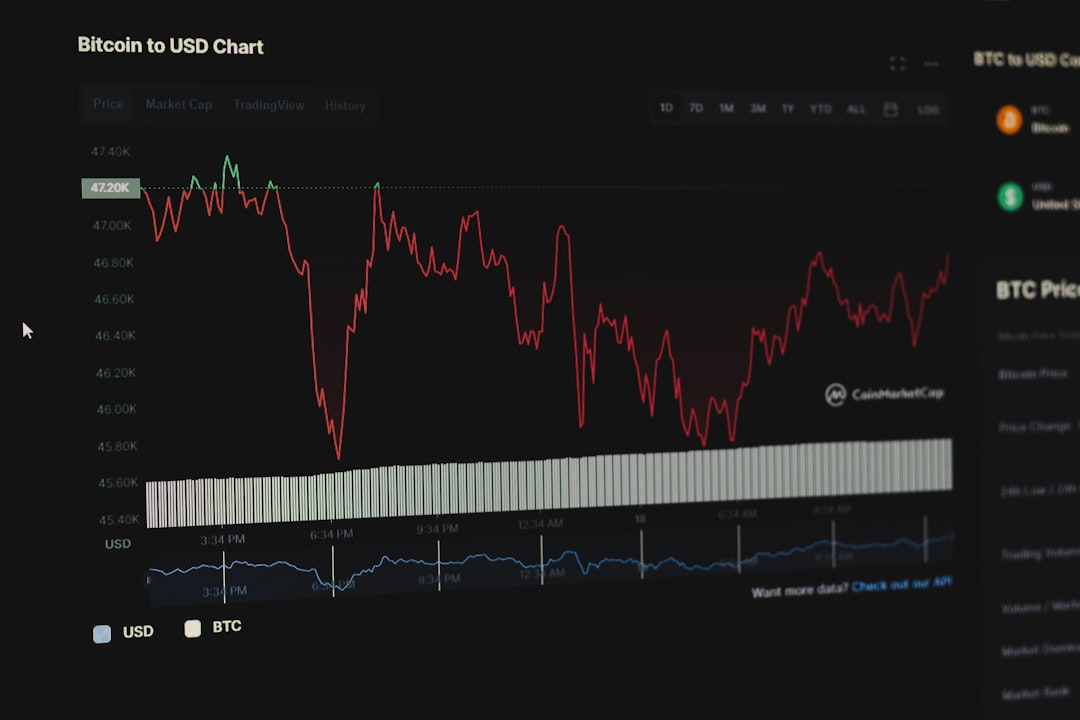
Volume Analysis: Confirming Price Moves
When traders focus solely on price movements, they’re missing half the story. Volume analysis provides the crucial context that transforms random-looking price fluctuations into meaningful market signals. Understanding volume patterns is like having X-ray vision into market psychology, revealing the conviction behind every price move.
Volume represents the total number of shares traded during a specific period, whether that’s a minute, hour, or day. While price tells you what happened, volume tells you how much interest was behind that movement. A price breakout on heavy volume carries far more significance than the same move on light volume.
Professional traders rely on volume analysis because it acts as a lie detector for price movements. When price and volume move in harmony, it confirms the validity of the trend. When they diverge, it often signals that a reversal may be approaching. This relationship between price and volume forms the foundation of informed trading decisions across all markets and timeframes.
How Volume Analysis Works
Volume analysis operates on a fundamental market principle: significant price movements require significant participation. When institutional investors, hedge funds, and large traders commit capital, their activity generates substantial volume. Conversely, price moves on light volume often lack the participation needed for sustained trends.
The calculation of volume is straightforward—it’s simply the total number of shares or contracts traded during each time period. Most trading platforms display volume as vertical bars beneath price charts, with the height of each bar representing the trading activity for that period. Some platforms use color coding, with green bars indicating volume during up periods and red bars showing volume during down periods.
Volume patterns reveal themselves through several key characteristics:
Volume spikes occur when trading activity surges well above the recent average, often coinciding with important news, earnings announcements, or technical breakouts. These spikes indicate heightened interest and typically precede significant price movements.
Volume trends develop over time, showing whether participation is increasing or decreasing. Rising volume during an uptrend suggests growing bullish conviction, while declining volume may indicate weakening momentum.
Relative volume compares current trading activity to historical averages. Many traders use volume moving averages to identify when current activity is unusually high or low relative to normal patterns.
How to Read Volume Analysis
Understanding volume signals requires recognizing the relationship between price direction and trading activity. These patterns provide insights into market sentiment and the likely continuation or reversal of current trends.
Bullish Volume Signals
Volume Confirmation in Uptrends: When prices rise on increasing volume, it demonstrates growing bullish participation. Each successive rally should ideally occur on higher volume than the previous pullback, indicating that buyers are becoming more aggressive while sellers are becoming less motivated.
Breakout Volume: When a stock breaks above resistance levels on volume that’s 50-100% above average, it suggests the breakout has genuine backing from institutional players. This combination of price action and volume often leads to sustained upward movement.
Volume Dry-Up on Pullbacks: During healthy uptrends, temporary price declines should occur on lower volume. This pattern suggests that selling pressure is limited and that the overall bullish sentiment remains intact.
Bearish Volume Signals
Distribution Patterns: When prices rise but volume consistently declines, it often indicates that fewer participants are willing to buy at higher prices. This divergence frequently precedes significant declines as the supply-demand balance shifts.
Breakdown Volume: Price drops below support levels carry more significance when accompanied by heavy volume. High-volume breakdowns often lead to accelerated selling as stop-loss orders trigger and momentum traders join the downward move.
Volume Expansion on Declines: When selling pressure intensifies, volume typically increases during down moves. This pattern becomes particularly bearish when volume on down days consistently exceeds volume on up days.
Neutral Volume Conditions
Low Volume Consolidation: When prices trade sideways on consistently low volume, it often indicates a pause rather than a reversal. These consolidation periods frequently resolve in the direction of the previous trend once volume returns.
Average Volume Trading: When current volume approximates recent averages without notable spikes or declines, it suggests balanced supply and demand with no immediate catalyst for significant movement.
Trading Strategies Using Volume Analysis
Successful volume-based Cup and Handle focus on identifying high-probability setups where price and volume patterns align to suggest directional moves.
Entry Signals
Volume Breakout Strategy: Enter long positions when prices break above resistance on volume exceeding 150% of the 30-day average. The combination of technical breakout and volume confirmation increases the probability of sustained upward movement. Wait for a decisive close above resistance rather than entering on intraday spikes.
Volume Pullback Entry: During established uptrends, enter positions when prices pull back to support levels on declining volume. This strategy capitalizes on temporary weakness that lacks conviction, positioning for resumption of the primary trend.
Volume Reversal Pattern: After extended moves, watch for volume spikes accompanied by reversal candlestick patterns like doji or hammers. These combinations often mark significant turning points, especially when they occur at key support or resistance levels.
Exit Signals
Volume Divergence Exit: Close positions when volume patterns begin diverging from price trends. If prices continue rising but volume consistently declines over several sessions, it suggests weakening momentum and potential reversal.
Volume Climax: Extremely high volume combined with wide price ranges often marks exhaustion moves. These “blowoff tops” or “selling climaxes” frequently coincide with short-term reversal points, making them logical exit opportunities.
Stop-Loss Considerations
Place stop-losses beyond levels where volume patterns would be negated. For breakout trades, stops should go below the breakout level, accounting for the possibility that high volume was actually distribution rather than accumulation. Generally, allow 2-3% beyond key technical levels to avoid premature stops on normal volatility.
Combining Volume Analysis with Other Indicators
Volume analysis becomes most powerful when combined with complementary technical tools that provide additional confirmation and context.
Price-Based Confirmations
Moving Average Support: Volume breakouts gain credibility when they occur from established moving average support levels. The combination of technical support and volume confirmation creates high-probability setups.
RSI Divergence: When volume patterns align with RSI divergences, they provide strong reversal signals. For example, if prices make new highs but RSI shows weakness while volume declines, it suggests an impending correction.
Volume-Specific Indicators
On-Balance Volume (OBV): This cumulative indicator adds volume on up days and subtracts volume on down days. OBV trends often precede price trends, providing early warning signals for directional changes.
Volume Moving Averages: Compare current volume to its 20, 50, or 200-day moving average to identify unusual activity. Volume spikes become more significant when they exceed these benchmarks by substantial margins.
Accumulation/Distribution Line: This indicator combines price and volume to show whether a stock is being accumulated or distributed. Divergences between the A/D line and price often signal upcoming reversals.
Common Volume Analysis Mistakes
Even experienced traders make predictable errors when interpreting volume patterns, leading to false signals and missed opportunities.
Ignoring Market Context
Holiday and News Impact: Volume patterns behave differently around holidays, earnings releases, and major news events. What appears to be significant volume may be artificially inflated by temporary factors rather than genuine directional conviction.
Sector Rotation Effects: Individual stock volume can spike due to sector-wide movements rather than company-specific factors. Always consider broader market and sector trends when interpreting volume signals.
Overemphasizing Single Sessions
Daily Volume Noise: One day of unusual volume rarely changes the overall trend. Focus on volume patterns over multiple sessions rather than making decisions based on isolated spikes or declines.
False Breakout Traps: High volume doesn’t guarantee successful breakouts. Markets can generate substantial volume during failed breakout attempts, especially when large numbers of stop-losses trigger simultaneously.
Best Practices for Volume Analysis
Use Relative Measurements: Always compare current volume to recent averages rather than absolute numbers. A stock that normally trades 100,000 shares daily showing 200,000 shares is more significant than a stock that normally trades 10 million showing 11 million.
Consider Time of Day: Volume patterns vary throughout trading sessions, with higher activity typically occurring at the open and close. Adjust expectations based on when volume readings occur.
Multiple Timeframe Analysis: Confirm volume signals across different timeframes. A volume spike on a 5-minute chart carries more weight when supported by above-average volume on daily and weekly charts.
Limitations of Volume Analysis
While volume analysis provides valuable insights, understanding its limitations prevents overreliance and improper application in certain market conditions.
Market Structure Impacts
Electronic Trading Effects: Modern algorithmic trading can create volume patterns that don’t reflect traditional supply-demand dynamics. High-frequency trading may generate substantial volume without indicating genuine directional bias.
Dark Pool Activity: Significant institutional trading occurs in dark pools and doesn’t appear in public volume figures. This hidden liquidity can make volume analysis less reliable for detecting large player activity.
Asset Class Variations
Forex Market Differences: Currency markets don’t have centralized volume data, making traditional volume analysis impossible. Traders must rely on tick volume or other proxy measurements that may not accurately reflect true trading activity.
Futures Contract Rollover: Volume patterns in futures markets become distorted during rollover periods when traders switch from expiring contracts to new ones. These transitions can create misleading volume signals.
Economic Environment Considerations
Low Interest Rate Periods: Extended periods of low interest rates can inflate trading volumes across all markets as investors seek yield, making it harder to identify genuinely significant volume increases.
Market Volatility Cycles: During high volatility periods, volume naturally increases across most securities, reducing the significance of individual volume spikes. Conversely, low volatility environments may suppress volume even during meaningful price moves.
Conclusion
Volume analysis transforms raw price data into actionable trading intelligence by revealing the conviction behind market movements. When prices move on heavy volume, it suggests genuine supply-demand imbalances that often persist. When volume fails to confirm price action, it warns of potential reversals or false signals.
The most successful traders don’t rely on volume analysis in isolation but integrate it with price patterns, technical indicators, and market context. This comprehensive approach helps distinguish between meaningful signals and market noise, leading to more informed trading decisions.
Remember that volume analysis is both art and science. While the basic principles remain constant, their application requires experience and judgment. Start by identifying clear volume patterns on historical charts, then gradually incorporate these insights into your real-time trading decisions.
Markets constantly evolve, but the fundamental relationship between price and volume endures. By mastering volume analysis, you gain access to one of the most reliable tools for understanding market psychology and anticipating future price movements.
Subscribe to our free newsletter for weekly market analysis and investment insights delivered directly to your inbox. Join thousands of strategic investors who rely on our research to stay ahead of market trends.
—
This article is for educational purposes only and does not constitute financial advice. Always do your own research and consider consulting a licensed financial advisor before making investment decisions.