
Why Your Mind Matters More Than Your Math
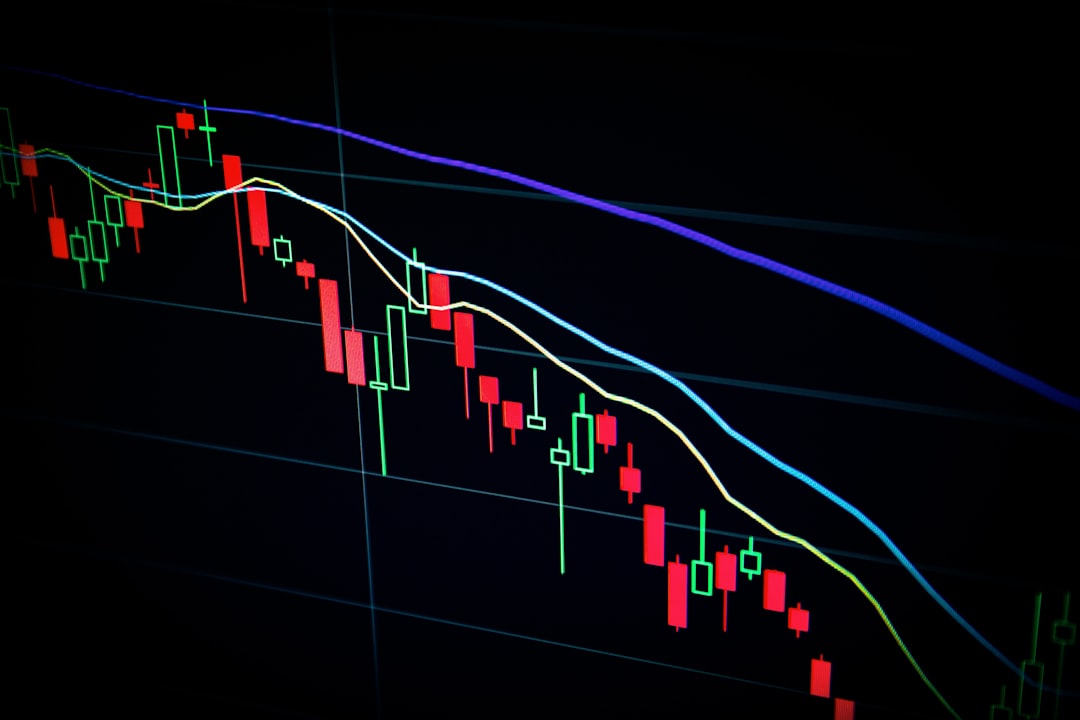
Here’s a truth that surprises most beginner investors: your success in the market depends less on picking the “perfect” stock and more on how you react when that stock drops 20% in a week. Investing psychology—the study of how emotions and behavior influence financial decisions—is often the missing piece in personal finance education. We spend hours learning about P/E ratios and diversification, but almost no time learning how to manage the fear, greed, and impulsivity that actually drive most investment mistakes.
Research from behavioral finance consistently shows that the average investor underperforms the very funds they invest in, largely because of poorly timed buying and selling decisions driven by emotion. In other words, it’s not the market that beats most people—it’s their own minds.
In this guide, you’ll learn the core psychological concepts every investor should understand, practical steps to build emotional discipline, common mistakes to sidestep, and how to start training your investor mindset today. Whether you’re about to make your first trade or you’ve been investing for years without a plan, understanding your own behavior is one of the highest-leverage skills you can develop.
The Basics: Understanding Your Financial Mind
What Is Investing Psychology?
Investing psychology refers to the emotional and cognitive factors that influence how people make financial decisions. It combines insights from psychology and economics into a field called behavioral finance, which studies why people often act irrationally with money—even when they know better.
Traditional finance assumes investors are rational actors who make decisions based purely on logic and available information. In reality, humans are driven by fear, overconfidence, social pressure, and mental shortcuts that can lead to costly errors.
Key Terminology to Know
- Loss aversion: The tendency to feel the pain of a loss roughly twice as intensely as the pleasure of an equivalent gain. This often causes investors to hold losing investments too long, hoping to “break even.”
- Confirmation bias: The tendency to seek out information that confirms what we already believe, while ignoring evidence that contradicts it.
- Herd mentality: The instinct to follow what everyone else is doing, especially during market booms or crashes, rather than making independent decisions.
- Overconfidence bias: Believing you have more skill or knowledge than you actually do, often leading to excessive trading or risk-taking.
- Recency bias: Giving too much weight to recent events, assuming current trends (up or down) will continue indefinitely.
- FOMO (Fear of Missing Out): The anxiety that drives investors to chase a rising asset simply because everyone else seems to be profiting from it.
How Psychology Fits Into Investing
Every investment decision has two components: the analytical (numbers, research, strategy) and the emotional (how you feel about risk, uncertainty, and change). Even the most well-researched investment strategy will fail if the investor abandons it during a moment of panic or greed. Mastering investing psychology means building the self-awareness and discipline to stick to a sound plan, even when your emotions are screaming at you to do otherwise.
Step-by-Step Guide to Building Investment Discipline
You don’t need to become a psychology expert to improve your investing behavior. Follow these practical steps to build a stronger financial mindset over time.
Step 1: Define Your “Why” (Time: 30 minutes)
Before you invest a single dollar, write down your financial goals and time horizon. Are you investing for retirement in 30 years, or a house down payment in 3 years? A clear “why” makes it easier to stay calm during short-term market swings because you understand the bigger picture.
Step 2: Create a Written Investment Plan (Time: 1–2 hours)
Document your strategy: what you’ll invest in, how much, how often, and under what conditions you’d make changes. A written plan acts as an anchor during emotional moments—when the market drops, you can refer back to your original logic instead of reacting impulsively. Tools like a simple Google Doc or investment journal app work fine for this.
Step 3: Automate Your Investments (Time: 15–30 minutes to set up)
Set up automatic contributions to your investment or retirement accounts. Automation removes emotion from the equation entirely—you’re not deciding whether to invest each month based on how the market “feels,” you’re simply following a system.
Step 4: Build a Habit of Reflection, Not Reaction (Time: 10 minutes weekly)
Instead of checking your portfolio daily (which can trigger anxiety and impulsive decisions), set a weekly or monthly time to review your investments calmly. Ask yourself: “Has anything about my long-term goals or strategy actually changed?” Usually, the answer is no.
Step 5: Keep an Investment Journal (Time: 5–10 minutes per decision)
Whenever you make an investment decision—buying, selling, or adjusting your portfolio—write down your reasoning at the time. Months later, review these entries. This builds self-awareness about your patterns and helps you spot emotional decision-making before it becomes a habit.
Step 6: Practice “Pre-Mortems” (Time: 15 minutes)
Before investing, imagine the investment loses 30% of its value. Ask yourself: “Would I still hold it? Why or why not?” This mental exercise helps you set realistic expectations and prepares you emotionally for volatility before it happens.
Step 7: Build a Support System
Follow reputable financial educators, join beginner-friendly investing communities, or consider working with a fee-only financial advisor. Having outside perspective can help you catch blind spots in your own thinking.
Common Questions Beginners Have
“Am I just supposed to ignore my emotions completely?”
No—emotions aren’t the enemy; unexamined emotions are. You can’t (and shouldn’t try to) eliminate feelings about money. The goal is to recognize when emotion is influencing a decision so you can pause and evaluate whether that decision aligns with your long-term plan.
“How do I know if I’m being rational or just telling myself I am?”
A helpful test: if you can’t explain your reasoning without referencing recent news, social media chatter, or how a stock has performed in the last few weeks, it might be emotion disguised as logic. Sound decisions are usually rooted in your original plan and goals, not short-term noise.
“Isn’t some fear healthy? Shouldn’t I be cautious?”
Absolutely. Healthy caution helps you avoid excessive risk. The issue arises when fear becomes so overwhelming that it causes you to abandon a well-thought-out strategy at exactly the wrong moment, such as selling investments during a market downturn out of panic.
“Why do I feel worse about losing money than I feel good about gaining the same amount?”
This is loss aversion, a well-documented psychological phenomenon. It’s completely normal and shared by nearly all humans. Awareness of this bias is the first step to preventing it from driving poor decisions, like holding onto a failing investment far too long.
“Can psychology really matter more than strategy?”
Both matter, but many experts argue behavior matters more for real-world results. A mediocre strategy that you follow consistently will likely outperform a brilliant strategy that you abandon every time the market gets rocky.
Mistakes to Avoid
Checking your portfolio too frequently. Constant monitoring amplifies emotional reactions to normal market fluctuations. Studies show that investors who check their accounts less often tend to make fewer impulsive decisions.
Making decisions based on headlines. Financial news is designed to grab attention, often through dramatic language. Basing investment decisions on daily headlines rather than your long-term plan is a common beginner trap.
Chasing performance. Buying an investment because it has recently soared in value (and everyone’s talking about it) often means buying near a peak. This is driven by FOMO and herd mentality rather than sound analysis.
Panic selling during downturns. Market declines are a normal, recurring part of investing. Selling out of fear during a downturn locks in losses and often means missing the recovery that follows.
Ignoring your own biases. Assuming you’re immune to psychological biases is itself a bias (overconfidence). Everyone is susceptible—the goal is awareness, not immunity.
Comparing your portfolio to others. Social comparison often triggers unnecessary risk-taking or anxiety. Your investment plan should be built around your goals and timeline, not someone else’s results.
Skipping the “why” behind your investments. Investing without a clear purpose makes you more vulnerable to emotional whiplash when the market moves. Always know why you own what you own.
Getting Started
You don’t need a finance degree or years of experience to start strengthening your investing psychology. Here’s how to begin today:
1. Write down one financial goal and a rough timeline for achieving it. This single step creates the foundation for emotional discipline.
2. Choose one investment account (such as a retirement account or a beginner-friendly brokerage account) and set up automatic monthly contributions, even if it’s a small amount.
3. Start a simple investment journal—a notebook or notes app works fine. Write one entry each time you make a financial decision, noting your reasoning.
4. Set a specific day each month to review your portfolio calmly, rather than checking it daily.
Minimum requirements: You don’t need much capital to start; many brokerages allow you to begin investing with as little as $1–$100. What matters more at this stage is building the habits and mindset that will serve you for decades.
Recommended resources: Look for beginner-friendly books on behavioral finance, reputable personal finance podcasts, and educational content from established financial institutions. Avoid sources that promote get-rich-quick schemes or create urgency around specific trades—these often exploit the very biases discussed in this guide.
Next Steps
Once you’ve built a foundation of self-awareness and discipline, consider deepening your knowledge in these related areas:
- Risk tolerance assessment: Learn how to accurately gauge how much volatility you can handle emotionally and financially.
- Behavioral finance case studies: Study historical market bubbles and crashes (like the dot-com bubble or 2008 financial crisis) to see these psychological patterns play out in real life.
- Portfolio diversification: Understand how spreading investments across asset classes can reduce anxiety by lowering overall volatility.
- Long-term investing strategies: Explore approaches like dollar-cost averaging and index investing, which are specifically designed to minimize emotional decision-making.
- Financial goal setting: Refine your specific goals and timelines to further strengthen your investment “why.”
Frequently Asked Questions
1. Is investing psychology only important for active traders?
No. While frequent traders face more emotional decision points, long-term investors also need psychological discipline—especially during market downturns or when tempted to chase trends.
2. Can I really train myself to be less emotional about money?
Yes, to a significant degree. While you can’t eliminate emotions, structured habits like automation, journaling, and having a written plan can substantially reduce impulsive, emotion-driven decisions over time.
3. What’s the difference between a mistake and a bias?
A mistake is a one-time error in judgment. A bias is a recurring, predictable pattern of thinking that leads to mistakes. Understanding your biases helps you anticipate and prevent future mistakes.
4. How do I know if fear is protecting me or holding me back?
Ask whether your fear is based on new, relevant information about your specific investments, or simply general market noise and uncertainty. The former may warrant action; the latter usually doesn’t.
5. Should I avoid financial news entirely?
Not necessarily, but be selective and limit frequency. Choose a few trusted, educational sources and consider checking in weekly rather than daily to avoid unnecessary emotional reactivity.
6. Does investing psychology apply to all types of investments?
Yes. Whether you’re investing in stocks, bonds, real estate, or other assets, the same psychological principles—loss aversion, herd mentality, overconfidence—apply across the board.
Conclusion
Mastering investing psychology isn’t about becoming an emotionless robot—it’s about developing self-awareness, building supportive habits, and creating systems that protect you from your own worst impulses during moments of market stress or euphoria. The investors who succeed over the long term aren’t necessarily the smartest or luckiest; they’re often simply the most disciplined. By understanding the psychological forces at play and taking practical steps to manage them, you’re setting yourself up for a more resilient, confident investing journey.
Want to keep building your investing knowledge? Subscribe to our free newsletter for weekly market analysis, practical investment insights, and educational content designed to help you become a smarter, more confident investor—delivered straight to your inbox.
—
This article is for educational purposes only and does not constitute financial advice. Always do your own research and consider consulting a licensed financial advisor before making investment decisions.