
Introduction
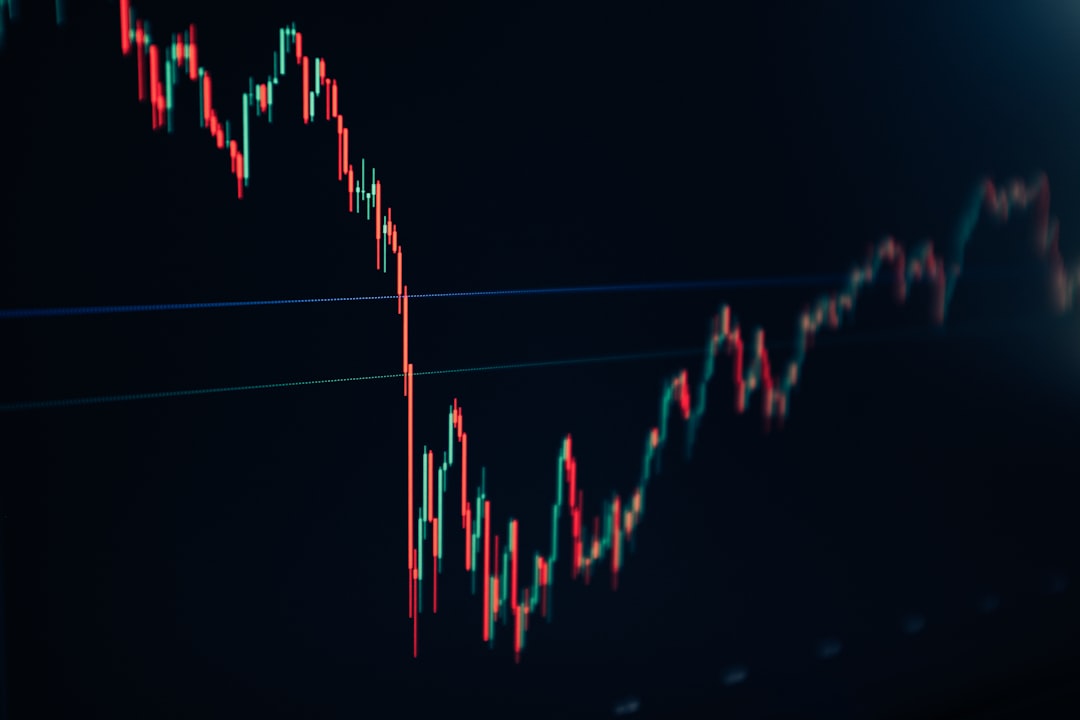
In the span of just a few weeks in early 2020, the stock market experienced one of the fastest and most dramatic downturns in modern history. The COVID-19 crash wiped out years of gains in a matter of days, terrified everyday investors, and then—almost as quickly—set the stage for one of the sharpest recoveries ever recorded.
Why does this matter to you as a beginner investor? Because the COVID crash is a masterclass in market behavior. It teaches us how fear spreads through markets, how quickly sentiment can shift, and why long-term investors who stayed calm often came out ahead. Understanding what happened in 2020 will help you build the emotional and strategic tools you need to navigate future volatility with confidence rather than panic.
In this guide, you’ll learn the basics of what caused the crash, how markets recovered, the key lessons every investor should take away, and practical steps you can apply to your own investing strategy—regardless of what year you’re reading this in.
The Basics
What Was the COVID-19 Stock Market Crash?
The COVID-19 crash refers to the rapid and severe decline in global stock markets that occurred in February and March 2020, triggered by the spread of the coronavirus pandemic and the economic shutdowns that followed. Major indexes like the S&P 500, Dow Jones Industrial Average, and Nasdaq all fell more than 30% from their highs in roughly a month—one of the fastest drops into “bear market” territory in history.
Key Terminology
Before going further, let’s clarify some terms you’ll encounter:
- Bear Market: A decline of 20% or more from recent highs, typically signaling widespread pessimism.
- Bull Market: A period of rising prices and investor optimism, often following a bear market.
- Volatility: How much and how quickly prices swing up or down. High volatility means big, unpredictable price movements.
- Circuit Breakers: Automatic trading halts triggered when markets fall too fast in a single day, designed to prevent panic-driven selling.
- Recovery: The period when markets regain lost value and return toward (or beyond) previous highs.
- Stimulus: Government or central bank actions—like lowering interest rates or injecting money into the economy—meant to support economic activity during a downturn.
Why This Fits Into Investing
Every investor, at some point, will experience a market crash. It’s not a matter of if but when. The COVID crash is particularly useful to study because it compressed years of typical market cycles—decline, panic, intervention, and recovery—into just a few months. Understanding this event helps you recognize patterns, manage emotions, and make informed decisions the next time markets get rocky.
Step-by-Step Guide: Learning From the COVID Crash
Here’s how to study this event and apply its lessons to your own investing approach.
Step 1: Understand the Timeline (15–20 minutes)
Familiarize yourself with the general sequence of events:
- Markets hit all-time highs in February 2020.
- As COVID-19 spread globally and lockdowns began, markets fell sharply—the S&P 500 dropped over 30% in about a month.
- Central banks and governments responded with massive stimulus measures, including interest rate cuts and financial support programs.
- Markets began recovering by April 2020, and many indexes reached new highs within a year.
Tool: Free stock charting websites (like Yahoo Finance or Google Finance) let you view historical price charts for major indexes to visualize this timeline yourself.
Step 2: Identify the Cause-and-Effect Pattern (20–30 minutes)
Look at how uncertainty (a new, poorly understood virus) led to fear, which led to selling, which led to falling prices. Then notice how policy responses (stimulus, rate cuts) helped restore confidence. This cause-and-effect cycle repeats in nearly every market downturn, even if the trigger is different each time.
Step 3: Study How Different Assets Reacted (30 minutes)
Not all investments moved the same way:
- Stocks fell sharply, especially in travel, energy, and retail sectors.
- Technology and healthcare stocks often recovered faster, as demand for their services increased.
- Government bonds generally held up better, reflecting their role as a “safer” asset during uncertainty.
Resource: Sector performance data is available for free on financial news sites like MarketWatch or Investing.com.
Step 4: Reflect on Investor Behavior (15 minutes)
Consider how different investors reacted:
- Some panicked and sold at the bottom, locking in losses.
- Others stayed invested or even bought more shares while prices were low.
- Historically, those who remained patient and didn’t sell in a panic generally recovered their losses and benefited from the subsequent rebound.
Step 5: Apply the Lessons to Your Own Strategy (Ongoing)
Use what you’ve learned to build a personal investment philosophy:
- Decide in advance how you’ll react to market drops (before emotions take over).
- Consider maintaining a diversified portfolio to reduce risk.
- Set a long-term time horizon so short-term volatility matters less.
Time Estimate: Studying the COVID crash thoroughly takes about 1–2 hours, but revisiting these lessons periodically (especially during future downturns) will reinforce good habits.
Common Questions Beginners Have
“Wasn’t this crash different because of the pandemic?”
Every crash has a unique trigger—COVID-19, the 2008 financial crisis, the dot-com bubble—but the underlying investor psychology (fear, panic selling, eventual recovery) tends to follow familiar patterns.
“How did the market recover so fast when the pandemic was still happening?”
Markets often look ahead, pricing in expectations about the future rather than just current conditions. Massive stimulus measures and hopes for medical solutions (like vaccines) helped restore investor confidence even before the pandemic itself ended.
“Does a crash like this mean I should avoid the stock market?”
Not necessarily. Crashes are a normal part of investing cycles. Historically, markets have recovered from downturns and gone on to reach new highs, though this isn’t guaranteed for every future event.
“How do I know when a crash is ‘over’?”
There’s no official signal. Recovery is typically identified in hindsight once markets have regained and surpassed previous highs. This is why trying to perfectly “time” the market is extremely difficult, even for professionals.
Mistakes to Avoid
1. Panic Selling at the Bottom
One of the most common and costly mistakes is selling investments during a crash out of fear, which locks in losses and misses the eventual recovery.
2. Trying to Time the Market
Attempting to predict the exact bottom or top of a market movement is extremely difficult, even for experienced professionals. Missing just a few of the best recovery days can significantly hurt long-term returns.
3. Ignoring Diversification
Investors heavily concentrated in one sector (like travel or energy during COVID) experienced steeper losses than those with diversified portfolios spanning multiple industries and asset types.
4. Making Decisions Based on Headlines Alone
News during a crisis can be overwhelming and emotionally charged. Making investment decisions purely based on dramatic headlines, rather than a thought-out strategy, often leads to poor outcomes.
5. Not Having a Plan Before a Crash Happens
Investors without a predetermined strategy are more likely to make emotional, reactive decisions. Establishing your risk tolerance and long-term goals in advance helps you stay steady during turbulent times.
Getting Started
If you’re ready to apply these lessons to your own investing journey, here are practical first steps:
1. Assess Your Risk Tolerance: Consider how comfortable you are with seeing your portfolio value fluctuate. This will help guide your investment choices.
2. Build an Emergency Fund First: Before investing, ensure you have accessible cash savings for unexpected expenses. This reduces the chance you’ll need to sell investments at a bad time.
3. Start With Diversified Options: Beginners often start with diversified index funds or exchange-traded funds (ETFs), which spread risk across many companies rather than relying on a single stock.
4. Use Reputable, Low-Cost Platforms: Many brokerage platforms offer commission-free trading and educational resources for new investors.
5. Create a Written Investment Plan: Document your goals, time horizon, and how you plan to react during market downturns. Having this in writing helps you stick to your strategy when emotions run high.
Minimum Requirements: You don’t need a large sum of money to begin—many platforms allow you to start investing with small amounts. What matters most is consistency and a long-term mindset.
Recommended Resources: Look for free educational content from established financial news outlets, government resources like Investor.gov, and beginner-friendly investing books that cover market history and behavioral finance.
Next Steps
Once you’re comfortable with the basics of the COVID crash and general market behavior, consider exploring these related topics:
- Dollar-Cost Averaging: A strategy of investing a fixed amount regularly, regardless of market conditions, which can help reduce the emotional impact of volatility.
- Behavioral Finance: The study of how psychology influences investor decisions—useful for understanding why crashes and recoveries happen the way they do.
- Diversification and Asset Allocation: Learn how spreading investments across different asset classes can help manage risk.
- Historical Market Crashes: Studying other events, like the 2008 financial crisis or the dot-com bubble, can reinforce the patterns you learned from the COVID crash.
- Long-Term Investing Principles: Explore strategies for building wealth over decades, rather than reacting to short-term market movements.
FAQ
1. How much did the stock market fall during the COVID crash?
Major U.S. indexes like the S&P 500 fell more than 30% from their February 2020 highs to their lows in March 2020.
2. How long did the COVID crash last?
The sharpest decline occurred over about one month, from mid-February to late March 2020, though the broader recovery period varied by sector and asset class.
3. Did all stocks fall by the same amount?
No. Some sectors, like travel and energy, fell much more severely, while others, like technology and healthcare, often recovered more quickly.
4. What caused the market to recover so quickly?
A combination of government stimulus, central bank interventions (like interest rate cuts), and improving investor sentiment as adaptations to the pandemic occurred all contributed to the recovery.
5. Could a crash like this happen again?
Market downturns are a normal, recurring part of investing. While the specific cause will differ, sudden volatility and periods of decline are something all investors should expect and prepare for.
6. What’s the best way to prepare for future market crashes?
Building a diversified portfolio, maintaining a long-term perspective, keeping an emergency fund, and having a clear investment plan in place are some of the best ways to prepare for market volatility.
Conclusion
The COVID-19 stock market crash of 2020 serves as a powerful reminder that markets can move quickly in both directions—and that staying informed, diversified, and emotionally steady can make all the difference in your long-term investing success. While no one can predict exactly when the next downturn will occur, understanding how past crashes unfolded gives you valuable tools to navigate future uncertainty with greater confidence.
Want to stay informed about market trends and build your investing knowledge over time? Subscribe to our free newsletter for weekly market analysis and investment insights delivered straight to your inbox. It’s a simple way to stay educated and prepared, no matter what the markets do next.
—
This article is for educational purposes only and does not constitute financial advice. Always do your own research and consider consulting a licensed financial advisor before making investment decisions.