
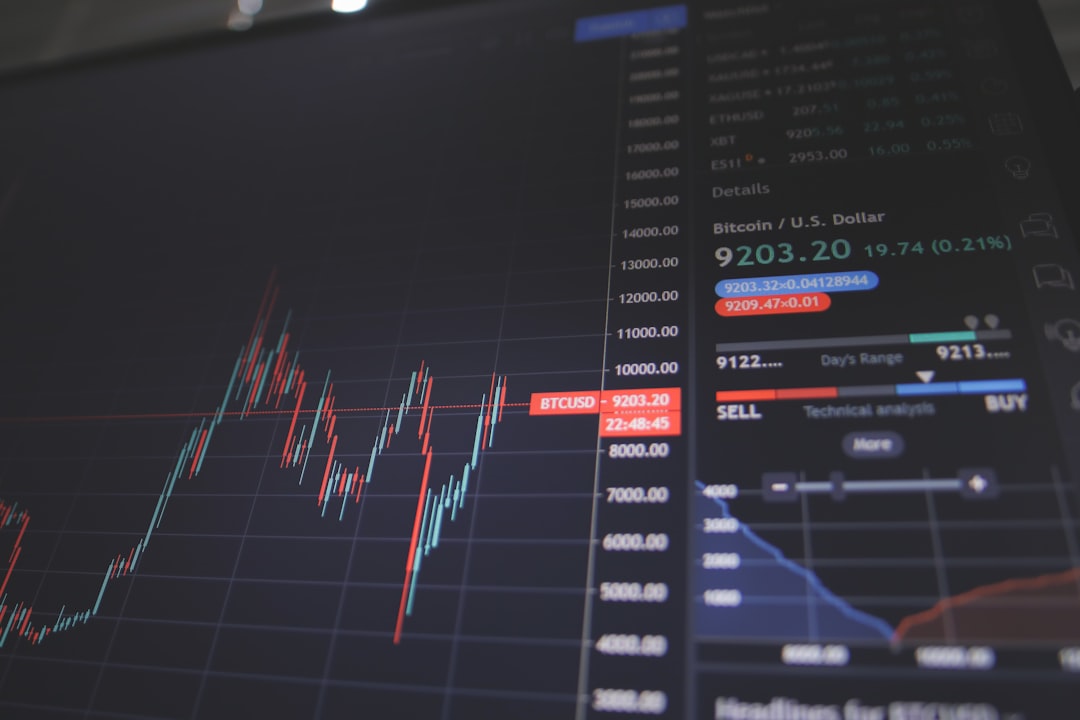
Why Learn How to Invest in XRP?
Cryptocurrency has moved from a niche experiment to a mainstream investment topic, and XRP is one of the most talked-about digital assets in that space. Created by Ripple Labs, XRP was designed to make cross-border payments faster and cheaper than traditional banking systems. Because of its unique use case and its high-profile legal history with U.S. regulators, XRP attracts curiosity from both crypto enthusiasts and everyday investors trying to understand where it fits in a diversified portfolio.
If you’re new to investing in digital assets, XRP can seem confusing at first. What makes it different from Bitcoin? Is it legal to buy? How do you actually purchase it safely? This guide answers those questions and walks you through the entire process step by step.
By the end of this article, you’ll understand:
- What XRP is and how it works
- Key terminology you’ll encounter along the way
- A clear, actionable process for buying and storing XRP
- Common beginner mistakes and how to sidestep them
- Where to go next to deepen your investment knowledge
This guide is written for complete beginners, so no prior crypto experience is required.
The Basics: Understanding XRP
What Is XRP?
XRP is a digital currency that runs on the XRP Ledger, an open-source blockchain launched in 2012. Unlike Bitcoin, which was designed primarily as a store of value or “digital gold,” XRP was built with a specific purpose: enabling fast, low-cost international money transfers.
Ripple Labs, the company closely associated with XRP, created technology that banks and payment providers can use to settle transactions across borders in seconds rather than days. XRP itself acts as a “bridge currency” in this system, meaning it can be used to facilitate the exchange between different currencies without needing a direct trading pair.
Key Terminology
Before diving into investing, it helps to know a few common terms:
- Blockchain: A digital ledger that records transactions across a network of computers, making them secure and difficult to alter.
- Wallet: A digital tool used to store, send, and receive cryptocurrency.
- Exchange: An online platform where you can buy, sell, and trade cryptocurrencies like XRP.
- Private Key: A secret code that gives you access to your cryptocurrency. Think of it like a password that should never be shared.
- Market Cap: The total value of all coins in circulation, calculated by multiplying the price per coin by the total supply.
- Volatility: How much and how quickly an asset’s price changes. Cryptocurrencies, including XRP, tend to be more volatile than traditional stocks.
How XRP Fits Into Investing
XRP falls under the broader category of “alternative assets,” alongside other cryptocurrencies. It’s important to understand that XRP is not a stock or bond—it doesn’t represent ownership in a company, and it doesn’t pay dividends. Instead, its value is driven by supply and demand, adoption by financial institutions, regulatory developments, and overall market sentiment toward crypto.
For most beginners, XRP is best viewed as a small, speculative portion of a well-rounded investment portfolio rather than a core holding. Its price can swing significantly in short periods, so understanding your risk tolerance is essential before investing.
Step-by-Step Guide to Investing in XRP
Here’s a practical roadmap for buying your first XRP.
Step 1: Educate Yourself (Time: 1–2 hours)
Before investing any money, spend time learning about how XRP works, its use cases, and its price history. Read whitepapers, watch educational videos, and follow reputable crypto news sources. This foundational step helps you make informed decisions rather than acting on hype.
Step 2: Choose a Reputable Cryptocurrency Exchange (Time: 30 minutes)
You’ll need an exchange to buy XRP. Popular, well-established platforms include:
- Coinbase
- Kraken
- Binance (availability varies by country)
- Uphold
When choosing an exchange, look for:
- Strong security track record
- Clear fee structures
- Availability in your country
- Positive user reviews
- Regulatory compliance
Step 3: Create and Verify Your Account (Time: 15–30 minutes)
Sign up for an account on your chosen exchange. Most platforms require identity verification (known as KYC, or “Know Your Customer”) to comply with regulations. This typically involves submitting a government-issued ID and sometimes a selfie for verification.
Step 4: Secure Your Account (Time: 10 minutes)
Before depositing any funds, enable two-factor authentication (2FA) on your account. This adds an extra layer of security beyond just your password, significantly reducing the risk of unauthorized access.
Step 5: Fund Your Account (Time: Instant to a few business days)
Deposit funds into your exchange account using a bank transfer, debit card, or other accepted payment method. Bank transfers are often cheaper but slower, while card payments are faster but may include higher fees.
Step 6: Purchase XRP (Time: 5 minutes)
Once your account is funded, navigate to the XRP trading pair (often listed as XRP/USD or XRP/EUR) and place your order. You can typically choose between:
- Market order: Buy immediately at the current price
- Limit order: Set a specific price you’re willing to pay, and the order executes only when the market reaches that price
For beginners, starting with a small amount you’re comfortable with is a smart way to get familiar with the process.
Step 7: Consider Moving XRP to a Personal Wallet (Time: 20–30 minutes)
While it’s convenient to leave your XRP on the exchange, many experienced investors recommend transferring larger holdings to a personal wallet for added security. Options include:
- Hardware wallets (e.g., Ledger) for maximum security
- Software wallets (e.g., mobile or desktop apps) for convenience
If you choose this route, research proper wallet setup carefully, as losing your private key or recovery phrase can mean permanently losing access to your funds.
Step 8: Monitor and Reassess (Ongoing)
Investing isn’t a one-time event. Periodically review your investment, stay updated on XRP-related news, and reassess whether it still aligns with your financial goals.
Common Questions Beginners Have
“Is XRP the same as Ripple?”
Not exactly. Ripple is the company that created much of the technology associated with XRP and the XRP Ledger, but XRP itself is a separate digital asset that operates on an open, decentralized ledger.
“Why is XRP’s price so volatile?”
Like most cryptocurrencies, XRP’s price is influenced by market sentiment, adoption news, regulatory developments, and broader crypto market trends. This can lead to significant price swings in short periods.
“Do I need a lot of money to start?”
No. Most exchanges allow you to purchase fractional amounts of XRP, meaning you can start with a small dollar amount rather than needing to buy a whole coin.
“Is investing in XRP legal?”
Regulations vary by country and have evolved over time, particularly due to XRP’s legal history in the United States. Always check the current regulatory status in your jurisdiction before investing.
“What determines XRP’s value?”
Supply and demand dynamics, adoption by financial institutions, technological developments, competitor cryptocurrencies, and overall crypto market conditions all play a role.
“Should I invest all my savings in XRP?”
Generally, financial experts recommend against concentrating a large portion of your savings in any single volatile asset. Diversification helps manage risk.
Mistakes to Avoid
1. Investing More Than You Can Afford to Lose
Cryptocurrency markets are known for sharp price swings. Only invest money you won’t need for essential expenses in the near term.
2. Skipping Research
Buying XRP simply because of social media hype or a friend’s recommendation can lead to poor decision-making. Take time to understand what you’re investing in.
3. Ignoring Security Basics
Failing to use two-factor authentication, reusing passwords, or storing private keys carelessly can result in the loss of your investment through hacks or scams.
4. Trying to Time the Market Perfectly
Many beginners try to buy at the “perfect” low price and sell at the “perfect” high price. This is extremely difficult even for professionals. A more measured, long-term approach often serves beginners better.
5. Falling for Scams
Be wary of unsolicited investment offers, fake giveaways, or platforms promising guaranteed returns. Legitimate investments never guarantee profits.
6. Neglecting Tax Implications
Cryptocurrency transactions may be taxable events in your country. Keep records of your purchases and sales, and consult a tax professional if needed.
Getting Started Today
If you’re ready to take your first steps into XRP investing, here’s a simple checklist:
1. Spend an hour reading about XRP’s technology and use cases from reputable sources.
2. Choose a reputable, well-reviewed cryptocurrency exchange available in your country.
3. Create an account and complete identity verification.
4. Enable two-factor authentication for security.
5. Start with a small, comfortable investment amount to learn the process firsthand.
Minimum Requirements:
- A valid government-issued ID for exchange verification
- A bank account or card for funding your purchase
- A secure email address and device with 2FA capability
- A small amount of capital you’re comfortable risking
Recommended Resources:
- Official XRP Ledger documentation for technical details
- Reputable crypto news outlets for market updates
- Educational YouTube channels focused on blockchain basics
- Community forums for balanced discussion (approach with healthy skepticism)
Next Steps: Expanding Your Knowledge
Once you’re comfortable with the basics of buying and holding XRP, consider exploring these related topics to deepen your investment knowledge:
- Portfolio Diversification: Learn how to balance crypto investments alongside stocks, bonds, and other assets.
- Blockchain Technology Fundamentals: Understanding the underlying technology can help you evaluate other cryptocurrencies more effectively.
- Cryptocurrency Tax Rules: Research how digital asset transactions are taxed in your country.
- Risk Management Strategies: Explore techniques like dollar-cost averaging to reduce the impact of volatility.
- Comparing Cryptocurrencies: Study how XRP differs from Bitcoin, Ethereum, and other digital assets to better understand the broader crypto landscape.
Frequently Asked Questions
1. What is the minimum amount needed to invest in XRP?
Most exchanges allow you to purchase fractional amounts, so you can start with as little as a few dollars, depending on the platform’s minimum order requirements.
2. Can I lose all my money investing in XRP?
Yes, cryptocurrency investments carry significant risk, including the possibility of substantial or total loss. Never invest money you cannot afford to lose.
3. How is XRP different from Bitcoin?
Bitcoin was designed primarily as a decentralized store of value, while XRP was created to facilitate fast, low-cost cross-border payments and currency exchange.
4. Do I need a special wallet for XRP?
While you can hold XRP on an exchange, many investors use dedicated wallets that support the XRP Ledger for added security and control over their funds.
5. How do I know if an exchange is trustworthy?
Look for exchanges with strong security histories, transparent fee structures, regulatory compliance, and positive user feedback from reputable review sources.
6. Is XRP a good long-term investment?
This depends on your personal financial goals, risk tolerance, and research. Like all cryptocurrencies, XRP carries inherent volatility and uncertainty, so thorough due diligence is essential before committing funds.
Conclusion
Investing in XRP doesn’t have to be intimidating. By understanding the basics, following a clear step-by-step process, and avoiding common beginner mistakes, you can approach this investment with confidence and clarity. Remember that successful investing is a journey of continuous learning—stay curious, stay cautious, and make decisions that align with your personal financial goals.
Want to stay ahead of the curve with the latest market trends and investment insights? Subscribe to our free weekly newsletter for expert analysis, practical tips, and timely updates to help you navigate the world of investing with confidence.
—
This article is for educational purposes only and does not constitute financial advice. Always do your own research and consider consulting a licensed financial advisor before making investment decisions.