
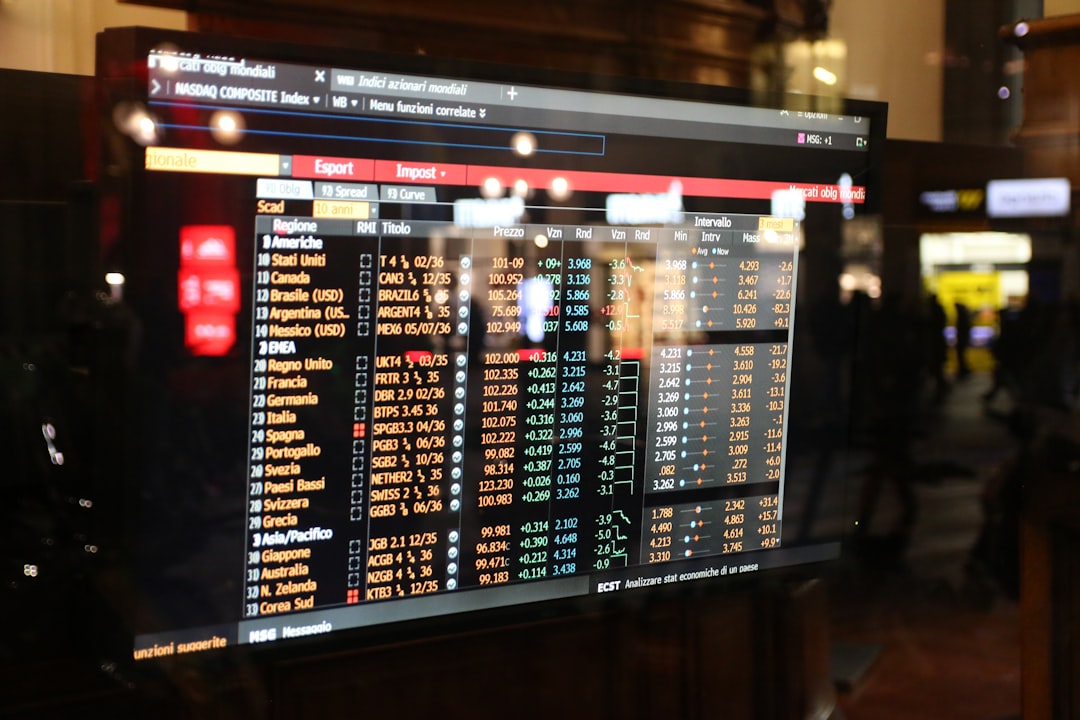
TradingView Guide: Charting Platform Tutorial
Introduction
If you’ve ever wanted to understand how professional traders and serious investors analyze financial markets, you’re about to discover one of their most essential tools: TradingView. This powerful charting platform has transformed how millions of people worldwide study stocks, cryptocurrencies, forex, and other financial instruments.
Why This TradingView Guide Matters
In today’s digital investment landscape, making informed decisions requires more than just gut feelings or hot tips from friends. You need visual insights into market trends, price patterns, and trading volumes. TradingView provides these capabilities in a user-friendly package that both beginners and professionals can leverage effectively.
Understanding how to use charting platforms isn’t just for day traders – long-term investors benefit enormously from technical analysis when timing their entries and exits, identifying support and resistance levels, and understanding market sentiment.
What You’ll Learn
By the end of this comprehensive TradingView guide, you’ll understand:
- How to navigate TradingView’s interface with confidence
- Essential charting tools and what they reveal about markets
- Step-by-step processes for conducting your own analysis
- Common beginner mistakes and how to avoid them
- Practical strategies for improving your investment decisions
Whether you’re planning to become an active trader or simply want to make more informed long-term investment choices, mastering TradingView will give you a significant advantage in understanding market dynamics.
The Basics
What Is TradingView?
TradingView is a web-based platform that provides real-time financial data, advanced charting tools, and social networking features for traders and investors. Think of it as a sophisticated microscope for examining financial markets – it helps you see patterns, trends, and details that aren’t visible when just looking at simple price quotes.
Core Concepts Explained Simply
Charts and Time Frames
Charts display price movements over time. You can view data across different time frames – from minute-by-minute movements to monthly trends spanning years. Each time frame tells a different story about an asset’s behavior.
Technical Indicators
These are mathematical calculations based on price and volume data that help identify trends, momentum, and potential turning points. Popular indicators include moving averages (which smooth out price fluctuations) and RSI (which measures whether an asset might be overbought or oversold).
Drawing Tools
TradingView allows you to draw lines, shapes, and annotations directly on charts. These tools help you identify support and resistance levels, trend lines, and chart patterns that might predict future price movements.
Key Terminology
- Candlestick: A visual representation showing opening price, closing price, and highest/lowest prices during a specific time period
- Volume: The number of shares or contracts traded during a given period
- Support: A price level where an asset tends to find buying interest
- Resistance: A price level where an asset tends to face selling pressure
- Trend: The general direction of price movement over time
How TradingView Fits in Investing
TradingView serves as your analytical headquarters. While you’ll still need a separate brokerage account to actually buy and sell investments, TradingView helps you research what to buy, when to buy it, and when to consider selling. Many successful investors use technical analysis from platforms like TradingView to complement their fundamental research about company financials and market conditions.
Step-by-Step Guide
Getting Started (Time: 10 minutes)
Step 1: Create Your Account
Visit TradingView.com and sign up for a free account. You’ll need to provide an email address and create a password. The free version offers substantial functionality, making it perfect for beginners.
Step 2: Familiarize Yourself with the Interface
Once logged in, you’ll see the main chart area in the center, with a toolbar on the left containing drawing tools and indicators. The top of the screen shows search functionality and various chart settings.
Step 3: Search for Your First Asset
Use the search box at the top to find a stock, cryptocurrency, or other asset you’re interested in. Try searching for “AAPL” (Apple) or “SPY” (S&P 500 ETF) to start with familiar assets.
Basic Chart Analysis (Time: 15 minutes)
Step 4: Adjust Your Time Frame
Look for time frame options (1D, 1W, 1M, etc.) and experiment with different views. Daily charts (1D) show each day’s price action, while weekly charts (1W) provide longer-term perspective.
Step 5: Change Chart Type
Click on the candlestick icon to explore different chart types. Candlestick charts provide the most information, but line charts offer cleaner trend visualization for beginners.
Step 6: Add Your First Indicator
Click the “Indicators” button and search for “Moving Average.” Add a 50-day moving average to see the average price over the past 50 periods. This line helps identify overall trend direction.
Advanced Features (Time: 20 minutes)
Step 7: Use Drawing Tools
Select the trend line tool and practice drawing lines connecting price highs or lows. This helps you visualize support and resistance levels.
Step 8: Explore Watchlists
Create a watchlist of stocks or assets you want to monitor regularly. This saves time and helps you stay organized.
Step 9: Set Up Alerts
Learn to set price alerts so TradingView notifies you when assets reach specific price levels. This feature helps you stay informed without constantly monitoring charts.
Tools and Resources Needed
- Reliable internet connection
- Computer, tablet, or smartphone
- Free TradingView account (paid plans offer additional features)
- Basic understanding of financial markets
- Patience to practice and learn
Common Questions Beginners Have
“Is Technical Analysis Actually Useful?”
Many beginners question whether chart patterns and indicators provide real value. While technical analysis isn’t foolproof, it helps you understand market psychology and timing. Even fundamental investors benefit from technical analysis when deciding entry and exit points for their investments.
“How Much Time Do I Need to Spend Learning This?”
You can start making basic observations within your first hour on TradingView. However, developing proficiency takes weeks or months of regular practice. Start with simple trend identification and gradually add more sophisticated tools as you become comfortable.
“Do I Need to Pay for TradingView?”
The free version provides excellent functionality for beginners. Consider upgrading to paid plans only after you’re actively using the platform and need additional features like more indicators, advanced alerts, or extended historical data.
“Which Indicators Should I Use?”
Start with simple, widely-used indicators like moving averages and RSI. Many beginners make the mistake of adding too many indicators, which creates confusion rather than clarity. Master a few tools before expanding your toolkit.
“How Do I Know if My Analysis Is Correct?”
Track your observations over time. Keep a simple journal noting your analysis and what actually happens afterward. This practice helps you identify which techniques work best for your investment style.
Mistakes to Avoid
Information Overload
New users often try to master every feature simultaneously. This approach leads to confusion and poor decision-making. Instead, focus on learning one tool thoroughly before adding another to your analysis routine.
Ignoring Risk Management
TradingView helps with analysis, but it can’t manage risk for you. Never invest money you can’t afford to lose, and always consider position sizing and diversification alongside your technical analysis.
Following Others Blindly
TradingView includes social features where users share ideas and analysis. While these can provide learning opportunities, avoid copying other people’s trades without understanding their reasoning. Use others’ ideas as starting points for your own research.
Perfectionism Paralysis
Waiting for perfect setups or 100% certainty prevents taking action. No analysis method is perfect, and successful investing requires accepting some uncertainty while managing risks appropriately.
Neglecting Fundamentals
Technical analysis works best when combined with fundamental understanding of what you’re investing in. Don’t rely solely on charts – understand the companies, markets, or assets you’re analyzing.
Getting Started Today
Minimum Requirements
You need only three things to begin: internet access, a device (computer, tablet, or phone), and 30 minutes of focused time. TradingView works in web browsers, so no special software installation is required.
Your First Session Action Plan
1. Sign up for a free TradingView account
2. Search for a familiar stock like Apple (AAPL) or Amazon (AMZN)
3. Observe the price chart on daily timeframe for 5 minutes
4. Add a 20-day moving average indicator
5. Practice drawing a simple trend line connecting recent highs or lows
6. Create a watchlist with 3-5 stocks you’re interested in following
Recommended Learning Resources
Start with TradingView’s own educational content, including their “Getting Started” guides and video tutorials. YouTube contains numerous TradingView tutorials, but focus on beginner-friendly content that explains concepts clearly rather than advanced trading strategies.
Consider reading basic technical analysis books like “Technical Analysis of the Financial Markets” by John Murphy to understand the theory behind what you’re seeing on charts.
Next Steps
Advancing Your Knowledge
Once comfortable with basic charting, explore different asset classes. If you started with stocks, try analyzing cryptocurrencies, forex pairs, or commodities. Each market has unique characteristics that will broaden your analytical skills.
Learn about different chart patterns like triangles, head and shoulders, and double tops/bottoms. These patterns help predict potential price movements based on historical behavior.
Related Topics to Explore
Fundamental Analysis: Learn to combine technical chart analysis with fundamental research about company financials, economic indicators, and industry trends.
Options Trading: If you’re interested in more advanced strategies, understanding options requires both technical analysis for timing and fundamental analysis for direction.
Market Psychology: Study how emotions like fear and greed drive market movements, and how technical analysis helps identify these psychological turning points.
Portfolio Management: Learn how to apply technical analysis insights to broader portfolio construction and risk management strategies.
Building Your Analytical Routine
Develop a consistent process for analyzing investments. This might include checking weekly charts for long-term trends, daily charts for entry timing, and key indicators for confirmation signals. Consistency helps you identify patterns in your own analytical success and areas for improvement.
Frequently Asked Questions
Is TradingView suitable for long-term investors or just day traders?
TradingView serves both audiences excellently. Long-term investors use weekly and monthly charts to identify major trends and optimal entry points, while day traders focus on shorter timeframes. The platform’s flexibility accommodates different investment horizons and strategies.
Can I place trades directly through TradingView?
TradingView primarily provides analysis tools, though they’ve added some broker integrations. Most users analyze on TradingView and execute trades through their preferred brokerage platform. This separation actually benefits users by preventing impulsive emotional trading decisions.
How accurate are TradingView’s technical indicators?
Technical indicators are tools for probability assessment, not crystal balls. They help identify potential opportunities and risks, but no indicator guarantees future price movements. Success comes from using indicators as part of a broader analytical framework rather than relying on them exclusively.
What’s the difference between TradingView’s free and paid plans?
Free accounts include essential charting tools, basic indicators, and limited alerts. Paid plans add more indicators per chart, advanced alert types, extended historical data, and additional features like custom timeframes. Most beginners find the free version perfectly adequate for learning.
How often should I check my TradingView charts?
This depends on your investment style and timeframe. Long-term investors might check weekly or monthly, while active traders review charts daily or more frequently. Avoid obsessive checking, which can lead to overtrading and poor decision-making based on short-term noise.
Can TradingView help me time the market perfectly?
No tool can time markets perfectly. TradingView helps you make more informed decisions by providing visual insights into market trends and potential turning points. However, successful investing requires accepting that some uncertainty always exists and managing risk accordingly.
Conclusion
TradingView represents a powerful gateway into professional-level market analysis, democratizing tools that were once available only to institutional investors. By starting with basic charting and gradually adding more sophisticated techniques, you’ll develop analytical skills that significantly improve your investment decision-making process.
Remember that technical analysis through TradingView works best as part of a broader investment strategy that includes fundamental research, risk management, and clear investment goals. The platform provides insights, but your judgment and discipline determine success.
Take action today by creating your free account and exploring your first chart. Every expert started as a beginner, and TradingView’s intuitive interface makes the learning process both accessible and engaging.
Ready to take your investment knowledge to the next level? Subscribe to our free newsletter for weekly market analysis, investment insights, and practical tips that help you make smarter financial decisions. Join thousands of investors who rely on our expert perspectives to navigate today’s dynamic markets with confidence.
—
Disclaimer: This article is for educational purposes only and does not constitute financial advice. Always do your own research and consider consulting a licensed financial advisor before making investment decisions.