
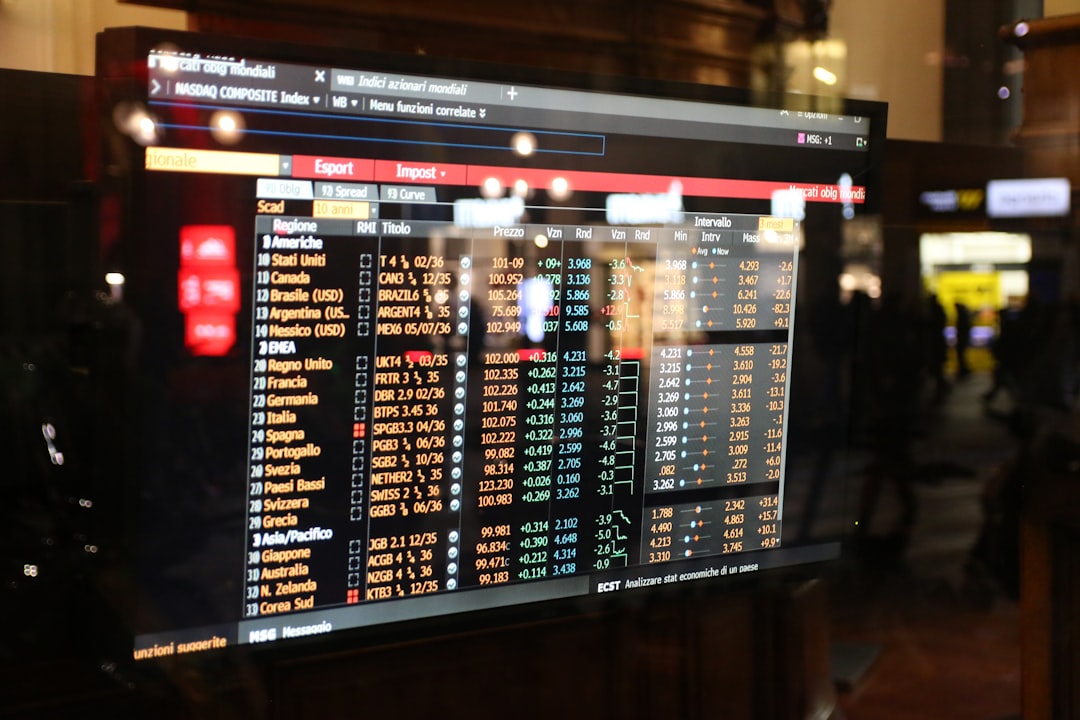
Commodity Investing Guide: Gold, Oil, Agriculture
Introduction
Picture this: You’re at the grocery store, and you notice coffee prices have jumped again. Meanwhile, gas prices are climbing, and your friend just bought gold jewelry that cost more than expected. What you’re witnessing is the real-world impact of commodity markets – a fascinating investment sector that touches every aspect of our daily lives.
Commodity investing might seem complex, but it’s actually one of the most straightforward investment concepts once you understand the basics. Unlike stocks that represent ownership in companies, commodities are the raw materials that power our global economy: the oil that fuels our cars, the wheat that becomes our bread, and the metals that build our smartphones.
This matters because commodities can serve as a crucial piece of a well-diversified investment portfolio. They often move independently of stocks and bonds, providing protection during economic uncertainty and inflation. When traditional investments struggle, commodities sometimes shine.
In this comprehensive guide, you’ll learn exactly what commodity investing is, why it might belong in your portfolio, and how to get started safely. We’ll walk through the major commodity categories, explore different ways to invest, and help you avoid the common mistakes that trip up beginners. By the end, you’ll have a clear roadmap for adding commodity exposure to your investment strategy.
The Basics
What Are Commodities?
Commodities are basic goods that are largely uniform in quality regardless of who produces them. A barrel of oil from Texas is essentially the same as a barrel from Saudi Arabia. This standardization allows these goods to be traded on global markets.
Commodities fall into four main categories:
Energy: Oil, natural gas, gasoline, and heating oil. These power our transportation, heat our homes, and fuel industrial processes.
Metals: This splits into precious metals (gold, silver, platinum) and industrial metals (copper, aluminum, steel). Precious metals are often seen as stores of value, while industrial metals are building blocks of modern infrastructure.
Agriculture: Everything from wheat, corn, and soybeans to coffee, sugar, and livestock. These commodities feed the world and are essential for survival.
Livestock: Cattle, hogs, and other animals raised for food production.
How Commodity Investing Fits Into Your Portfolio
Commodity investing serves several important purposes:
Diversification: Commodities often move independently of stocks and bonds. When the stock market declines, commodities might hold steady or even increase in value.
Inflation Protection: When prices rise across the economy, commodity prices typically rise too. This makes them a natural hedge against inflation eroding your purchasing power.
Economic Growth Exposure: As developing countries grow and build infrastructure, they need more raw materials. Commodity investments let you participate in global economic expansion.
Key Terms You Need to Know
Futures Contracts: Agreements to buy or sell a commodity at a specific price on a future date. Most commodity trading happens through futures.
Spot Price: The current market price for immediate delivery of a commodity.
Contango: When futures prices are higher than current prices, often indicating oversupply.
Backwardation: When futures prices are lower than current prices, typically signaling tight supply.
ETF (Exchange-Traded Fund): A fund that trades like a stock and can give you exposure to commodities without dealing directly with futures.
Step-by-Step Guide to Commodity Investing
Step 1: Assess Your Investment Goals (Time: 30 minutes)
Before diving into commodity investing, determine why you want this exposure. Are you looking to:
- Hedge against inflation?
- Diversify your portfolio?
- Speculate on specific commodity price movements?
- Protect against economic uncertainty?
Your goals will determine how much of your portfolio to allocate to commodities (typically 5-15% for most investors) and which approach to take.
Step 2: Choose Your Investment Method (Time: 1-2 hours)
You have several ways to gain commodity exposure:
Commodity ETFs: The easiest starting point for beginners. These funds track commodity prices without requiring you to understand futures markets. Examples include SPDR Gold Shares (GLD) for gold or United States Oil Fund (USO) for oil.
Commodity Mutual Funds: Professional managers handle the complex futures trading while you own shares in the fund.
Commodity Stocks: Instead of owning the commodity directly, you buy shares in companies that produce them. This includes oil companies, mining firms, and agricultural businesses.
Direct Ownership: For some commodities like gold and silver, you can buy physical bars or coins. This requires secure storage but gives you direct ownership.
Futures Contracts: The most direct but complex method. Only recommended for experienced investors due to high risk and complexity.
Step 3: Select Specific Commodities (Time: 2-3 hours research)
Start with broad exposure before specializing:
For Beginners: Consider broad commodity ETFs that hold multiple commodities, reducing risk through diversification.
Gold: Often the first commodity investment due to its reputation as a store of value and safe haven during uncertainty.
Oil: Provides exposure to global economic growth but can be volatile due to geopolitical factors.
Agriculture: Consider diversified agricultural ETFs rather than betting on individual crops.
Step 4: Open the Right Brokerage Account (Time: 30 minutes)
Most major brokerages allow commodity ETF investing with a standard account. Ensure your chosen broker offers:
- Low-cost ETF trading
- Good research tools
- Educational resources about commodities
- Access to the specific investments you want
Step 5: Start Small and Learn (Time: Ongoing)
Begin with a small position (1-3% of your portfolio) to gain experience without significant risk. Monitor how your commodity investments perform relative to your other holdings and the factors that drive price movements.
Common Questions Beginners Have
“Isn’t commodity investing just gambling?”
While commodities can be volatile, they’re fundamental to the global economy. Price movements reflect real supply and demand factors. The key is treating commodities as one part of a diversified portfolio, not a get-rich-quick scheme.
“Do I need to take delivery of physical goods?”
No. Most commodity investments through ETFs, mutual funds, or stocks never involve physical delivery. Even if you trade futures contracts, less than 3% result in actual delivery.
“How do I research commodity investments?”
Focus on supply and demand factors: weather affecting crops, geopolitical events impacting oil, economic growth driving metal demand. Government reports, industry publications, and financial news provide valuable insights.
“Are commodities too risky for retirement accounts?”
Commodities can be more volatile than traditional investments, but a small allocation (5-10%) can actually reduce overall portfolio risk through diversification. Many financial advisors recommend some commodity exposure in long-term portfolios.
“What drives commodity prices?”
Multiple factors: global economic growth, currency movements, weather, geopolitical events, technological changes, and government policies. This complexity is why diversified commodity investing often works better than betting on individual commodities.
Mistakes to Avoid
Mistake 1: Putting Too Much Money Into Commodities
The Error: Allocating 30-50% of your portfolio to commodities because they seem exciting or you read a compelling article.
Why It’s Problematic: Commodities can experience long periods of poor performance and high volatility. Overallocation can severely damage your overall returns.
How to Avoid: Limit commodity exposure to 5-15% of your total portfolio. Start even smaller as you learn.
Mistake 2: Chasing Hot Trends
The Error: Buying oil when prices are spiking or gold when everyone’s talking about economic collapse.
Why It’s Problematic: You’re likely buying at high prices when the trend is already well-established.
How to Avoid: Dollar-cost average into commodity positions over time rather than making large purchases based on current events.
Mistake 3: Ignoring the Complexity of Commodity ETFs
The Error: Assuming all commodity ETFs are the same and buying without understanding how they work.
Why It’s Problematic: Some commodity ETFs hold futures contracts that can decay over time, while others hold physical commodities or commodity stocks. Performance can vary dramatically.
How to Avoid: Read the fund prospectus and understand exactly what you’re buying. Stick to well-established, low-cost funds for beginners.
Mistake 4: Trying to Time the Market
The Error: Attempting to predict short-term commodity price movements based on news events or technical analysis.
Why It’s Problematic: Commodity markets are influenced by countless unpredictable factors. Even professionals struggle with timing.
How to Avoid: Use commodity investments for long-term portfolio diversification rather than short-term speculation.
Mistake 5: Forgetting About Taxes
The Error: Not considering the tax implications of different commodity investments.
Why It’s Problematic: Some commodity investments have complex tax treatments that can reduce your returns.
How to Avoid: Understand the tax implications before investing, and consider holding tax-complex investments in retirement accounts.
Getting Started
Your First Steps Today
1. Educate Yourself (1 week): Spend time reading about commodity markets. Start with reputable financial websites and educational resources from major brokerages.
2. Evaluate Your Portfolio (30 minutes): Determine what percentage you want to allocate to commodities based on your risk tolerance and investment goals.
3. Research Broad Commodity ETFs (2-3 hours): Look at funds like the Invesco DB Commodity Index Tracking Fund (DBA) or iShares S&P GSCI Commodity-Indexed Trust (GSG) that provide diversified exposure.
4. Open or Verify Your Brokerage Account: Ensure you can trade ETFs commission-free.
Minimum Requirements
- Capital: You can start with as little as the price of one ETF share (often $20-100)
- Account: Standard brokerage account
- Time: 1-2 hours monthly to monitor and rebalance
- Knowledge: Basic understanding of investment fundamentals
Recommended Resources
- Books: “The Elements of Investing” by Burton Malkiel provides context for commodities within overall portfolio strategy
- Websites: Commodity Research Bureau (CRB) and your broker’s educational resources
- Government Data: USDA reports for agriculture, EIA reports for energy
- Financial News: Focus on sources that explain the fundamental factors driving commodity markets
Next Steps
Once you’re comfortable with basic commodity investing, consider expanding your knowledge:
Advanced Commodity Strategies
- Sector-specific commodity funds (energy-only, metals-only, agriculture-only)
- International commodity exposure for geographic diversification
- Commodity-producing company stocks for leveraged exposure
Related Investment Topics
- Real Estate Investment Trusts (REITs): Another inflation hedge that complements commodities
- International Investing: Global diversification strategies
- Alternative Investments: Understanding how commodities fit with other non-traditional assets
Continuing Education
- Follow commodity-focused analysts and research
- Understand seasonal patterns in agricultural commodities
- Learn about the relationship between currency movements and commodity prices
FAQ
Q: What percentage of my portfolio should be in commodities?
A: Most financial advisors recommend 5-15% for long-term investors. Start with 5% and adjust based on your experience and risk tolerance. Never invest more than you can afford to lose.
Q: Are commodity ETFs better than buying commodity stocks?
A: Both have advantages. Commodity ETFs track actual commodity prices more closely, while commodity stocks can provide dividend income but add company-specific risks. For beginners, broad commodity ETFs often provide simpler, more direct exposure.
Q: How often should I rebalance my commodity investments?
A: Review quarterly and rebalance annually or when your commodity allocation drifts more than 2-3% from your target. Commodity prices can be volatile, so some drift is normal.
Q: Can I lose more than I invest in commodity futures?
A: Yes, with direct futures trading you can lose more than your initial investment. This is why beginners should stick to ETFs and mutual funds, where losses are limited to your investment amount.
Q: Do commodities pay dividends like stocks?
A: Physical commodities don’t pay dividends, but some commodity ETFs may pay small distributions. The main return comes from price appreciation. Some commodity-producing stocks do pay dividends.
Q: Should I buy physical gold and silver?
A: Physical precious metals can be part of a commodity allocation, but consider storage costs, insurance, and liquidity issues. For most investors, precious metals ETFs provide easier exposure to price movements without the hassle of physical ownership.
Conclusion
Commodity investing offers an excellent opportunity to diversify your portfolio, protect against inflation, and participate in global economic growth. While these investments can be more volatile than traditional stocks and bonds, a modest allocation to commodities can actually reduce your overall portfolio risk while providing exposure to an entirely different set of economic factors.
The key to success lies in starting small, staying diversified, and maintaining a long-term perspective. Begin with broad-based commodity ETFs, limit your initial allocation to 5% of your portfolio, and gradually build your knowledge and comfort level over time.
Remember that commodity investing is just one piece of a well-rounded investment strategy. Focus on building a strong foundation with low-cost index funds for your core holdings, then add commodity exposure as a complementary diversification tool.
Ready to take your investing to the next level? Subscribe to our free newsletter for weekly market analysis, investment insights, and actionable strategies delivered straight to your inbox. Join thousands of investors who rely on our expert analysis to make informed decisions about their financial future.
—
Disclaimer: This article is for educational purposes only and does not constitute financial advice. Always do your own research and consider consulting a licensed financial advisor before making investment decisions.