
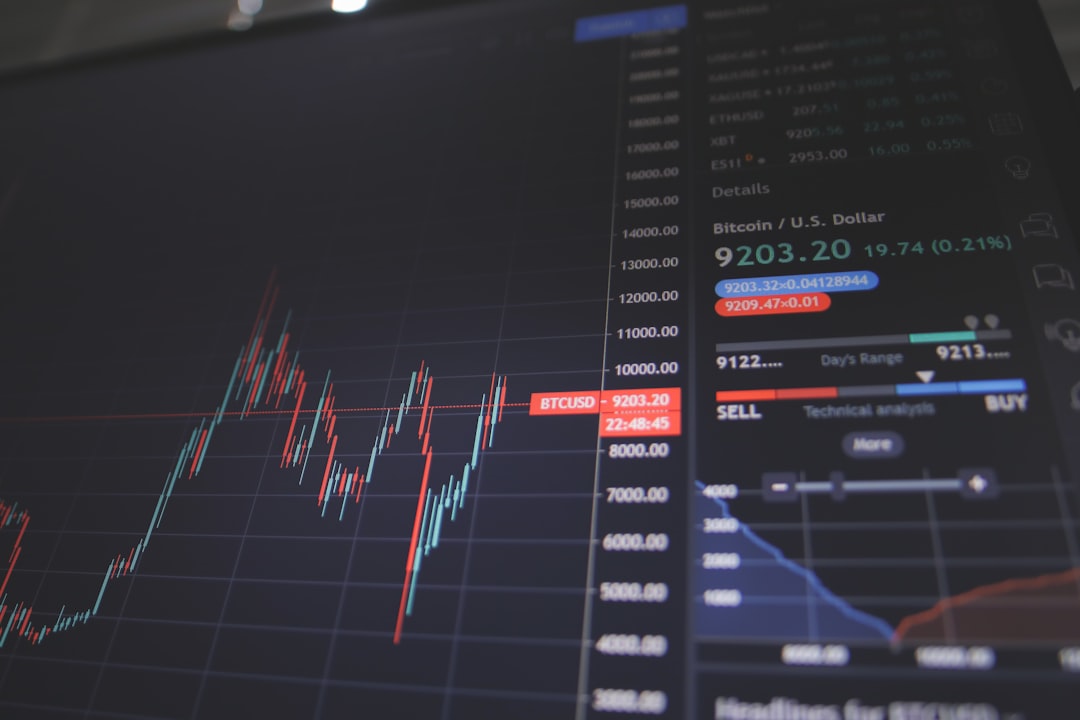
Why Understanding Market Orders Matters
If you’ve ever opened an investing app, found a stock you wanted to buy, and clicked “Buy,” you’ve likely encountered a market order without even realizing it. It’s the simplest, fastest, and most commonly used way to buy or sell an investment. Yet many beginners jump into trading without truly understanding what happens behind the scenes when they place one.
Knowing how market orders work isn’t just a technical detail—it directly affects the price you pay or receive, how quickly your trade goes through, and how much control you have over the outcome. A small misunderstanding here can lead to unpleasant surprises, especially in volatile markets.
In this guide, you’ll learn exactly what a market order is, how it works, when to use one, and when you might want to consider alternatives. We’ll also walk through the practical steps of placing one, common questions beginners ask, and mistakes to avoid so you can trade with confidence from day one.
The Basics: What Is a Market Order?
The Simple Definition
A market order is an instruction to buy or sell a security (like a stock, ETF, or option) immediately at the best available current price. There’s no negotiating, no waiting, no setting a specific price target—you’re telling your brokerage, “Execute this trade right now, whatever the going rate is.”
Think of it like buying gas at a gas station. You don’t call ahead to negotiate the price per gallon; you pull up, pump your gas, and pay whatever the posted price is at that moment. A market order works the same way in the stock market.
How It Fits Into Investing
Every time you buy or sell an investment, you choose an order type—a set of instructions that tells your broker how you want the trade executed. Market orders are the default and most basic order type, but they’re just one option among several (others include limit orders, stop orders, and stop-limit orders, which we’ll touch on briefly later).
Market orders exist because financial markets need liquidity—meaning there need to be buyers and sellers actively trading so that prices reflect real supply and demand. When you place a market order, you’re essentially agreeing to transact at whatever price other buyers and sellers have already agreed upon in that moment.
Key Terminology to Know
Before going further, let’s clarify a few terms that will help everything else make sense:
- Bid price: The highest price a buyer is currently willing to pay for a security.
- Ask price: The lowest price a seller is currently willing to accept.
- Spread: The difference between the bid and ask price. Tighter spreads (common in popular stocks) mean less price uncertainty; wider spreads (common in thinly traded stocks) mean more.
- Execution: The actual completion of a trade.
- Slippage: The difference between the price you expected and the price you actually got, which can happen with market orders during fast-moving markets.
- Liquidity: How easily an asset can be bought or sold without significantly affecting its price.
When you place a market order to buy, your trade typically executes at or near the current ask price. When you place a market order to sell, it typically executes at or near the current bid price.
Why People Use Market Orders
The main appeal of a market order is speed and certainty of execution. If you want to buy shares of a company right now and you’re not worried about getting the exact price down to the penny, a market order gets you in (or out) almost instantly. This makes market orders especially popular for:
- Highly liquid stocks (like large, well-known companies) where prices don’t fluctuate wildly between the time you click “buy” and the trade executing.
- Situations where getting the trade done matters more than the exact price.
- Beginners who want a straightforward way to start investing without worrying about additional settings.
Step-by-Step Guide: How to Place a Market Order
Ready to try it yourself? Here’s a simple walkthrough. This entire process typically takes less than five minutes once you’re set up.
What You’ll Need
- A brokerage account (examples include well-known platforms like Fidelity, Charles Schwab, Vanguard, or various investing apps)
- Funds deposited into your account
- The name or ticker symbol of the investment you want to buy or sell
Step 1: Open Your Brokerage Platform (1–2 minutes)
Log into your brokerage account through their website or mobile app. If you don’t have one yet, most major brokerages let you open an account online in about 10–15 minutes, though funding the account may take a day or two to clear.
Step 2: Search for the Investment (30 seconds)
Type in the company name or ticker symbol (a short abbreviation, like AAPL for Apple or MSFT for Microsoft) into the search bar.
Step 3: Select “Buy” or “Sell” (10 seconds)
Choose whether you want to buy shares (if you’re starting a new investment or adding to one) or sell shares (if you already own the investment and want to exit).
Step 4: Choose “Market Order” as Your Order Type (10 seconds)
Most platforms will show a dropdown menu or set of buttons for order types. Select “Market” (as opposed to “Limit,” “Stop,” etc.).
Step 5: Enter the Number of Shares (10 seconds)
Decide how many shares—or in some cases, how many dollars’ worth—you want to buy or sell. Some platforms now allow fractional share investing, meaning you can invest a specific dollar amount even if it doesn’t equal a whole share.
Step 6: Review and Submit (30 seconds)
Double-check the details: the ticker symbol, order type, and quantity. Once you’re confident, submit the order.
Step 7: Confirm Execution (Instant to a Few Seconds)
During regular market hours, market orders for liquid stocks typically execute within seconds. You’ll receive a confirmation showing the price at which your trade was filled.
That’s it! The whole process, once you’re comfortable with the platform, often takes under two minutes.
Common Questions Beginners Have
“Will I know the exact price before I buy?”
Not with 100% certainty. Because a market order executes at the best available price at the time of execution, and prices can shift in the fractions of a second between when you submit the order and when it fills, the final price might differ slightly from what you saw on your screen. For stable, high-volume stocks, this difference is usually tiny—often just a penny or two. For more volatile or thinly traded stocks, the difference can be larger.
“What if the market is closed?”
If you place a market order outside of regular trading hours (typically 9:30 a.m. to 4:00 p.m. Eastern Time for U.S. markets), it will usually queue up and execute at the market price once trading resumes. Be cautious here: prices can shift significantly overnight due to news events, so the execution price when the market reopens might be quite different from the last price you saw.
“Is a market order the same as a limit order?”
No. A limit order lets you set a specific price at which you’re willing to buy or sell. Your trade will only execute if the market reaches that price (or better). A market order, by contrast, prioritizes speed over price—it executes immediately, regardless of the exact price. We’ll explore limit orders more in the “Next Steps” section.
“Are market orders risky?”
They carry a specific type of risk called price risk or slippage risk—the chance that you pay more (or receive less) than expected due to rapid price movement. This risk is generally low for large, stable companies but can be meaningful for smaller or more volatile stocks.
“Do market orders cost more in fees?”
Order type itself doesn’t usually determine your fees. Most major brokerages today offer commission-free trading for stocks and ETFs, regardless of whether you use a market or limit order. Always check your specific brokerage’s fee schedule to confirm.
Mistakes to Avoid
Mistake #1: Using Market Orders on Low-Liquidity Stocks
If a stock doesn’t trade often, the bid-ask spread can be wide, meaning you might pay significantly more (or receive significantly less) than the last traded price. Fix: For thinly traded stocks, consider using a limit order instead to control your price.
Mistake #2: Placing Market Orders Right at Market Open or Close
Prices can be especially volatile in the first and last few minutes of the trading day due to high trading volume and overnight news catching up. Fix: If price precision matters to you, avoid placing market orders in the first or last 15 minutes of trading, or use a limit order during these windows.
Mistake #3: Not Checking the Current Price Before Ordering
Some beginners glance at a stock’s price from earlier in the day and assume that’s what they’ll pay. Prices change constantly during market hours. Fix: Always check the live price immediately before placing your order.
Mistake #4: Forgetting About After-Hours Volatility
Placing a market order when the market is closed means you don’t know exactly what price you’ll get when trading resumes. Fix: Understand that overnight news (earnings reports, economic data) can cause significant price gaps.
Mistake #5: Overreacting to Small Price Differences
Some new investors panic if their execution price is a few cents different from what they expected. Fix: Remember that small differences are normal and rarely impactful for long-term investors.
Getting Started: Your First Steps
If you’re ready to put this knowledge into action, here’s how to begin:
1. Choose a brokerage. Look for one with no account minimums, no commission fees on stock/ETF trades, and a user-friendly app or website. Research a few options and compare their features.
2. Open and fund your account. This typically requires basic personal information and a bank transfer, which may take one to three business days to clear.
3. Start small. Consider practicing with a small dollar amount on a well-known, stable company or a broad-market ETF to get comfortable with the process.
4. Review your brokerage’s educational resources. Most platforms offer built-in tutorials, glossaries, and even paper trading (practice trading with fake money) to help you learn without risk.
5. Place your first market order following the step-by-step guide above.
Minimum requirements: Many brokerages now have no minimum deposit requirement, and fractional shares mean you can start investing with as little as $1–$5.
Next Steps: Expanding Your Knowledge
Once you’re comfortable with market orders, consider exploring these related topics:
- Limit orders: Learn how to set a specific price for buying or selling, giving you more control (at the cost of guaranteed execution).
- Stop orders and stop-limit orders: Useful tools for managing risk and automating trades based on price triggers.
- Bid-ask spread and liquidity: Deepen your understanding of how prices are determined in real time.
- Order execution and market makers: Learn what happens behind the scenes when your trade is matched with a buyer or seller.
- Dollar-cost averaging: A strategy for investing consistent amounts over time, often paired with market orders for simplicity.
Frequently Asked Questions
1. What’s the main advantage of a market order?
Speed and certainty of execution. Your trade will almost always go through immediately during market hours.
2. What’s the main disadvantage?
You don’t have control over the exact execution price, which can lead to slippage, especially in volatile or thinly traded stocks.
3. Can I cancel a market order once I submit it?
Typically no, because market orders execute almost instantly. Unlike limit orders, there’s usually no window to cancel before it fills.
4. Are market orders good for beginners?
Yes, for liquid, well-known stocks and ETFs, market orders are simple and effective. Just be mindful of the timing and volatility considerations discussed above.
5. Do market orders work the same way for selling as for buying?
Yes. A market sell order executes at the best available price, just like a market buy order, only in the opposite direction.
6. Is there a limit to how many shares I can buy with a market order?
Generally no set limit, but very large orders in thinly traded stocks may experience more price impact, since you’re “eating into” the available supply at each price level.
Conclusion
Market orders are one of the simplest and most essential tools in an investor’s toolkit. They offer speed and simplicity, making them a great starting point for beginners looking to build confidence in the markets. By understanding how they work, when to use them, and what pitfalls to avoid, you’re already ahead of many first-time investors.
As you continue your investing journey, staying informed is one of the best ways to make smart, confident decisions. Want to keep learning? Subscribe to our free newsletter for weekly market analysis and investment insights delivered straight to your inbox—perfect for beginners and experienced investors alike who want to stay ahead of the curve.
—
This article is for educational purposes only and does not constitute financial advice. Always do your own research and consider consulting a licensed financial advisor before making investment decisions.