
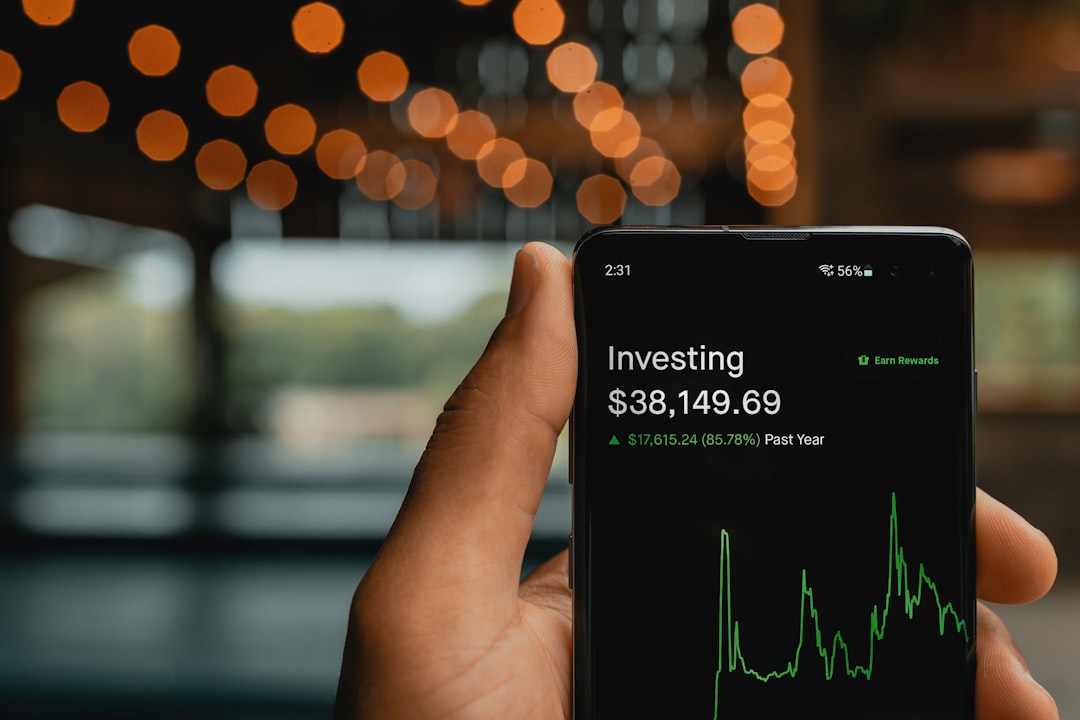
How to Invest $500,000: High Net Worth Strategy
Introduction
Having $500,000 to invest represents a significant financial milestone. Whether you’ve received an inheritance, sold a business, or accumulated savings over time, this amount opens doors to investment strategies and opportunities typically reserved for high net worth individuals.
With half a million dollars, you’re no longer limited to basic savings accounts or simple investment portfolios. You can access premium investment platforms, diversify across multiple asset classes, and implement sophisticated strategies that can help build long-term wealth.
Why This Topic Matters
Investing $500,000 properly can be the difference between comfortable retirement and financial independence. At a conservative 7% annual return, this amount could grow to over $1.9 million in 20 years. However, without proper strategy, you could also face significant losses or miss out on growth opportunities.
What You’ll Learn
In this comprehensive guide, you’ll discover how to approach investing a substantial sum responsibly, understand the investment options available to you, and create a balanced portfolio that aligns with your financial goals and risk tolerance.
The Basics
Understanding High Net Worth Investing
When you have $500,000 to invest, you enter what many consider “high net worth” territory. This means access to investment minimums, platforms, and strategies that aren’t available to smaller investors.
Core Investment Concepts
Diversification: Spreading your money across different types of investments to reduce risk. With $500,000, you can diversify across stocks, bonds, real estate, and alternative investments.
Asset Allocation: The percentage of your portfolio dedicated to different investment types. A common starting point is the “100 minus your age” rule for stock allocation, but with substantial assets, this becomes more nuanced.
Risk vs. Return: Generally, investments with higher potential returns carry higher risk. Your job is finding the right balance for your situation.
Key Terminology
- Portfolio: Your complete collection of investments
- Asset Classes: Categories of investments (stocks, bonds, real estate, etc.)
- Liquidity: How easily you can convert an investment to cash
- Volatility: How much an investment’s value fluctuates
- Time Horizon: How long you plan to keep money invested before needing it
How $500,000 Fits in Modern Investing
This amount qualifies you for many institutional-quality investments previously available only to ultra-wealthy individuals. You can access private equity funds, hedge funds, and premium real estate investment trusts (REITs) with lower minimums.
Step-by-Step Guide
Step 1: Define Your Investment Goals (Week 1)
Before investing a single dollar, clarify what you want to achieve:
- retirement planning: Building long-term wealth for future financial independence
- Income generation: Creating steady cash flow from investments
- Wealth preservation: Protecting purchasing power against inflation
- Legacy building: Growing wealth to pass to future generations
Time needed: 2-3 hours of reflection and planning
Step 2: Assess Your Risk Tolerance (Week 1)
Consider these factors:
- Your age and retirement timeline
- Other sources of income and savings
- Your comfort level with market fluctuations
- Whether this represents most of your wealth or just part of it
Tool needed: Online risk tolerance questionnaires from major brokerages
Step 3: Build Your Emergency Fund First (Week 2)
Before investing $500,000, ensure you have 3-6 months of living expenses in a high-yield savings account. This prevents you from needing to sell investments during market downturns.
Step 4: Choose Your Investment Platform (Week 2-3)
With $500,000, you have several options:
Traditional Brokerages: Fidelity, Schwab, and Vanguard offer premium services for high-net-worth clients, including dedicated advisors and reduced fees.
Robo-Advisors: Betterment and Wealthfront provide automated portfolio management, but may be too simple for this investment level.
Private Wealth Management: Many firms accept clients with $500,000+ and provide personalized investment strategies.
Time needed: 3-5 hours researching and comparing options
Step 5: Design Your Asset Allocation (Week 3)
A sample conservative allocation might look like:
- 40% Domestic stocks
- 20% International stocks
- 25% Bonds
- 10% Real estate (REITs)
- 5% Alternative investments
Adjust based on your risk tolerance and goals.
Step 6: Implement Your Strategy (Week 4)
Don’t invest everything at once. Consider “dollar-cost averaging” by investing the money over 6-12 months to reduce timing risk.
Tools needed:
- Chosen investment platform account
- Research tools for selecting specific investments
- Portfolio tracking spreadsheet or app
Step 7: Set Up Regular Monitoring (Ongoing)
Plan to review your portfolio quarterly and rebalance annually or when allocations drift significantly from targets.
Common Questions Beginners Have
“Should I invest it all at once or gradually?”
This dilemma, known as “lump sum vs. dollar-cost averaging,” has been extensively studied. Historically, investing a lump sum immediately has produced better results about two-thirds of the time. However, many investors feel more comfortable spreading the investment over several months to reduce the emotional impact of market volatility.
“How much should I put in ‘safe’ investments?”
The answer depends on your age, other assets, and risk tolerance. A general guideline is to keep at least 20-30% in lower-risk investments like high-quality bonds or CDs, but younger investors might go lower while older investors might prefer 40-50%.
“Can I invest in individual stocks with this amount?”
Yes, but be cautious. With $500,000, you could build a diversified portfolio of individual stocks, but this requires significant research and monitoring. Most financial advisors recommend limiting individual stock picks to 5-10% of your portfolio unless you have expertise in stock analysis.
“What about real estate investment?”
Real estate can be an excellent addition to a $500,000 portfolio. You could invest in REITs for liquidity, consider real estate crowdfunding platforms, or even use a portion as a down payment on rental property. Real estate often provides inflation protection and income generation.
“Should I hire a financial advisor?”
With $500,000, you likely qualify for quality advisory services. Consider an advisor if you lack time or expertise for portfolio management, have complex financial situations, or simply want professional guidance. Look for fee-only advisors who act as fiduciaries.
Mistakes to Avoid
Putting All Your Money in One Investment Type
Even “safe” investments like bonds can lose value. Diversification across asset classes, geographies, and investment styles helps protect against unforeseen market events.
How to avoid: Follow a structured asset allocation plan and resist the urge to chase performance in any single investment category.
Trying to Time the Market
Many investors with large sums wait for the “perfect” time to invest, often missing years of potential growth. Market timing is extremely difficult, even for professionals.
How to avoid: Focus on time in the market rather than timing the market. If you’re nervous about market levels, implement your investment plan gradually over several months.
Ignoring Fees and Taxes
High fees can significantly impact long-term returns. A 1% annual fee difference on $500,000 could cost over $100,000 in 20 years.
How to avoid: Compare expense ratios on investments, understand all advisory fees, and consider tax-efficient investing strategies like using index funds in taxable accounts.
Emotional Decision Making
Large investment amounts can amplify emotional responses to market movements. Fear and greed often lead to poor investment decisions.
How to avoid: Create a written investment plan and commit to sticking with it through market ups and downs. Consider working with an advisor who can provide objective perspective during volatile periods.
Neglecting Regular Rebalancing
Over time, successful investments will grow to represent larger portions of your portfolio, potentially increasing risk beyond your comfort level.
How to avoid: Set calendar reminders to review your portfolio quarterly and rebalance when asset classes drift more than 5-10% from target allocations.
Getting Started
First Steps to Take Today
1. Open a high-yield savings account for your emergency fund if you don’t have one
2. List your investment goals and timeline for each
3. Research investment platforms that cater to high-net-worth investors
4. Take a risk tolerance assessment to understand your investment personality
Minimum Requirements
- Emergency fund: 3-6 months of expenses in liquid savings
- Clear goals: Written objectives for your investment strategy
- Investment account: Platform capable of handling your investment size and strategy
- Basic knowledge: Understanding of fundamental investment concepts
Recommended Resources
Books:
- “A Random Walk Down Wall Street” by Burton Malkiel
- “The Bogleheads’ Guide to Investing” by Taylor Larimore
- “Your Money or Your Life” by Vicki Robin
Websites:
- Morningstar.com for investment research
- Portfolio Visualizer for backtesting strategies
- SEC.gov for investor education
Tools:
- Portfolio tracking apps like Personal Capital
- Rebalancing calculators
- Tax-loss harvesting software
Next Steps
Advancing Your Investment Knowledge
Once you’ve implemented a basic strategy, consider learning about:
- Tax-efficient investing strategies like tax-loss harvesting and asset location
- Alternative investments such as private equity, hedge funds, or commodities
- International diversification beyond basic international stock funds
- ESG investing to align investments with personal values
Related Topics to Explore
- Estate planning strategies for high-net-worth individuals
- Tax optimization for investment accounts
- Charitable giving strategies that provide tax benefits
- Business ownership and entrepreneurship opportunities
Building Your Investment Expertise
Consider joining investment clubs, attending financial conferences, or taking online courses in portfolio management. Many universities offer continuing education programs in personal finance and investing.
FAQ
How long should I plan to keep $500,000 invested?
For optimal results, plan to keep the majority invested for at least 5-10 years. This timeframe allows you to ride out market volatility and benefit from compound growth. Keep only money you might need within 2-3 years in more liquid, conservative investments.
What’s the difference between investing $500,000 and smaller amounts?
With $500,000, you gain access to investment minimums, lower fees, premium advisory services, and more sophisticated strategies. You can also achieve better diversification across asset classes and have more flexibility in your investment approach.
Should I pay off debt before investing this money?
Generally, pay off high-interest debt (above 6-7%) before investing. However, with low-interest debt like mortgages, you might benefit more from investing, especially in tax-advantaged accounts. Consider your complete financial picture when making this decision.
How much of this money should I keep liquid?
Keep 6-12 months of expenses in emergency savings outside your investment portfolio. Within your portfolio, consider keeping 10-20% in more liquid investments if you anticipate needing access to funds for opportunities or unexpected expenses.
What returns should I expect on $500,000?
Historical stock market returns average around 10% annually, but expect significant year-to-year variation. A diversified portfolio might target 6-8% annual returns over the long term. Focus on building a sustainable strategy rather than chasing high returns.
Is $500,000 enough to retire on?
This depends on your age, lifestyle, and other retirement resources. Following the 4% withdrawal rule, $500,000 could provide about $20,000 annually in retirement income. Most financial planners recommend having 10-12 times your annual expenses saved for retirement, so $500,000 might be part of your retirement strategy rather than the complete solution.
Conclusion
Investing $500,000 represents an exciting opportunity to build substantial long-term wealth. Success comes from creating a well-thought-out strategy, maintaining proper diversification, and staying disciplined during market fluctuations.
Remember that this is a marathon, not a sprint. Focus on consistent, evidence-based investing rather than trying to beat the market with complex strategies. With proper planning and patience, your $500,000 investment can provide financial security and help you achieve your long-term financial goals.
The key is getting started with a solid foundation and continuously educating yourself as markets and opportunities evolve. Take advantage of the premium investment options available to you while maintaining the fundamental principles of successful investing: diversification, low costs, and long-term thinking.
Ready to stay informed about the latest investment strategies and market insights? Subscribe to our free weekly newsletter for expert analysis and actionable investment advice delivered straight to your inbox.
—
This article is for educational purposes only and does not constitute financial advice. Always do your own research and consider consulting a licensed financial advisor before making investment decisions.