
Forex Trading Guide: Currency Market Basics
Introduction
The foreign exchange market, commonly known as forex or FX, is the world’s largest financial market with over $7.5 trillion traded daily. Unlike stocks or commodities, forex trading involves buying and selling currencies from different countries, making it accessible to anyone with an internet connection and a small amount of capital.
This forex trading guide will help you understand how currency markets work and whether forex trading might fit into your investment strategy. You’ll discover the fundamental concepts, learn practical steps to get started, and understand both the opportunities and risks involved.
By the end of this guide, you’ll have a solid foundation in forex basics and know exactly how to take your first steps if you decide to explore currency trading further.
The Basics
What Is Forex Trading?
Forex trading is the process of exchanging one currency for another with the goal of making a profit from changes in exchange rates. When you travel abroad and exchange dollars for euros, you’re participating in the forex market. Traders do this electronically, hoping to buy low and sell high as currency values fluctuate.
How Currency Pairs Work
Currencies are always traded in pairs. The first currency is called the “base currency,” and the second is the “quote currency.” For example, in EUR/USD:
- EUR (Euro) is the base currency
- USD (US Dollar) is the quote currency
- If EUR/USD = 1.1000, it means 1 Euro equals 1.10 US Dollars
The Three Types of Currency Pairs
Major Pairs involve the most traded currencies and include:
- EUR/USD (Euro/US Dollar)
- GBP/USD (British Pound/US Dollar)
- USD/JPY (US Dollar/Japanese Yen)
- USD/CHF (US Dollar/Swiss Franc)
Minor Pairs don’t include the US Dollar but feature other major currencies:
- EUR/GBP (Euro/British Pound)
- GBP/JPY (British Pound/Japanese Yen)
- AUD/CAD (Australian Dollar/Canadian Dollar)
Exotic Pairs include one major currency and one from an emerging economy:
- USD/TRY (US Dollar/Turkish Lira)
- EUR/PLN (Euro/Polish Zloty)
- GBP/ZAR (British Pound/South African Rand)
Key Terminology
Pip: The smallest price movement in a currency pair, usually the fourth decimal place (0.0001).
Spread: The difference between the buying price (ask) and selling price (bid) of a currency pair.
Leverage: Borrowing money from your broker to control larger positions than your account balance would normally allow.
Margin: The deposit required to open a leveraged position.
Long Position: Buying a currency pair, expecting it to rise in value.
Short Position: Selling a currency pair, expecting it to fall in value.
How Forex Fits Into Investing
Forex trading can serve different roles in an investment portfolio:
Diversification: Currency movements often don’t correlate directly with stock or bond markets, potentially reducing overall portfolio risk.
Hedging: Investors with international exposure can use forex to protect against currency fluctuations.
Active Trading: Some investors use forex for short-term profit opportunities based on economic events and technical analysis.
Income Generation: Carry trades involve holding currencies with higher interest rates to earn daily interest payments.
Step-by-Step Guide
Step 1: Learn the Market Hours (Time: 2 hours)
The forex market operates 24 hours a day, five days a week, across different sessions:
- Sydney Session: 5 PM – 2 AM EST
- Tokyo Session: 7 PM – 4 AM EST
- London Session: 3 AM – 12 PM EST
- New York Session: 8 AM – 5 PM EST
The most active trading occurs when sessions overlap, particularly during the London-New York overlap (8 AM – 12 PM EST).
Step 2: Choose Your Trading Style (Time: 1 week)
Scalping: Making dozens of trades per day, holding positions for minutes.
Day Trading: Opening and closing positions within the same day.
Swing Trading: Holding positions for several days to weeks.
Position Trading: Long-term approach, holding for months or years.
Consider your schedule, risk tolerance, and personality when choosing your style.
Step 3: Select a Forex Broker (Time: 3-5 hours)
Research brokers based on:
- Regulation: Ensure they’re licensed by reputable authorities (CFTC, FCA, ASIC)
- Spreads: Lower spreads reduce trading costs
- Platform: User-friendly interface with necessary tools
- Customer Service: Responsive support in your language
- Minimum Deposit: Choose based on your budget
- Educational Resources: Quality learning materials for beginners
Step 4: Open a Demo Account (Time: 30 minutes)
Most brokers offer free practice accounts with virtual money. This allows you to:
- Learn the trading platform
- Practice placing trades without risk
- Test strategies
- Build confidence
Spend at least 2-3 months trading on demo before considering real money.
Step 5: Develop a Trading Plan (Time: 2-3 weeks)
Your plan should include:
- Goals: What you want to achieve and by when
- Risk Management: How much you’ll risk per trade (typically 1-2% of account)
- Strategy: Clear rules for entering and exiting trades
- Trading Schedule: When you’ll trade based on your lifestyle
- Record Keeping: How you’ll track and analyze your trades
Step 6: Start Small with Real Money (Time: Ongoing)
Begin with the minimum account size and small position sizes. Focus on:
- Following your trading plan
- Managing emotions
- Learning from each trade
- Gradually increasing size as you gain experience
Common Questions Beginners Have
“How Much Money Do I Need to Start?”
Many brokers allow you to start with as little as $100-$500, but having $1,000-$2,000 provides more flexibility and reduces the pressure on each trade. Remember, you should only trade money you can afford to lose.
“Is Forex Trading Gambling?”
When approached without education, strategy, or risk management, forex trading can resemble gambling. However, successful traders use analysis, disciplined strategies, and strict risk management to stack the odds in their favor over time.
“How Much Can I Make Trading Forex?”
Realistic expectations for consistent traders range from 5-20% annual returns. Promises of getting rich quick are red flags. Focus on learning and consistent growth rather than unrealistic profit targets.
“Do I Need to Watch Charts All Day?”
Not necessarily. Your trading style determines time commitment. Position traders might check charts once daily, while scalpers need constant attention. Choose a style that fits your schedule.
“How Important Is Fundamental Analysis?”
Understanding economic factors that drive currency values is crucial for long-term success. Major economic indicators include:
- Interest rate decisions
- GDP growth
- Employment data
- Inflation reports
- Political events
“Can I Trade Forex on My Phone?”
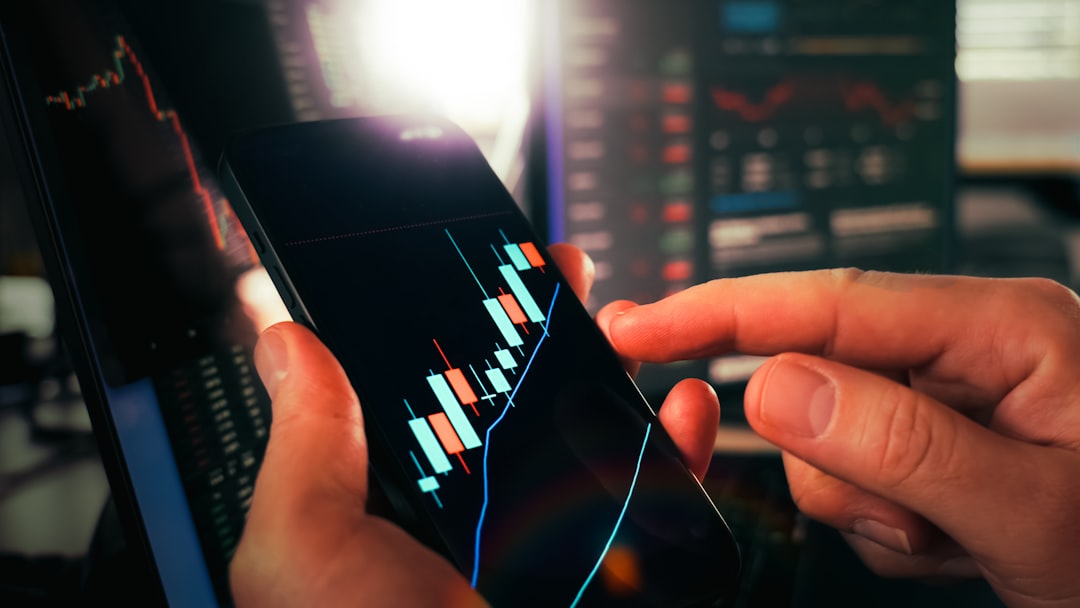
Yes, most brokers offer mobile apps for trading on the go. However, serious analysis and strategy development are better suited for desktop platforms with larger screens and more tools.
Mistakes to Avoid
Overleveraging
The Mistake: Using excessive leverage to control large positions relative to account size.
Why It’s Dangerous: While leverage can amplify profits, it equally amplifies losses. A small adverse move can wipe out your entire account.
How to Avoid: Start with low leverage (10:1 or less) and never risk more than 1-2% of your account on a single trade.
Trading Without a Plan
The Mistake: Making impulsive trades based on emotions or tips rather than following a structured approach.
The Consequence: Inconsistent results, emotional stress, and likely losses over time.
How to Avoid: Develop a comprehensive trading plan before placing any trades. Stick to it even when emotions run high.
Ignoring Risk Management
The Mistake: Not setting stop losses or risking too much on individual trades.
The Reality: Even professional traders are wrong 40-60% of the time. Risk management keeps you in the game during losing streaks.
How to Avoid: Always use stop losses, never risk more than you can afford to lose, and maintain proper position sizing.
Chasing Losses
The Mistake: Increasing trade sizes or taking excessive risks to recover from losses quickly.
Why It Backfires: This emotional response often leads to even larger losses and account destruction.
How to Avoid: Accept losses as part of trading. Take breaks after losing streaks and stick to your predetermined risk parameters.
Lack of Education
The Mistake: Jumping into live trading without sufficient knowledge or practice.
The Cost: Expensive learning through real losses rather than education and practice.
How to Avoid: Invest time in learning before investing money. Use demo accounts extensively and continue education throughout your trading journey.
Following “Gurus” Blindly
The Mistake: Copying trades from social media personalities or signal services without understanding the reasoning.
The Problem: You can’t learn or adapt if you don’t understand why trades are taken.
How to Avoid: Use others’ analysis as education, but develop your own understanding and decision-making skills.
Getting Started
Your First Steps Today
1. Begin Your Education: Start reading reputable forex education websites and books. Allocate 30-60 minutes daily to learning.
2. Open a Demo Account: Choose 2-3 regulated brokers and test their platforms with virtual money.
3. Follow Economic News: Start paying attention to major economic events and how they affect currency pairs.
4. Join Trading Communities: Engage with other beginners and experienced traders in forums or social media groups.
Minimum Requirements
Technical Requirements:
- Reliable internet connection
- Computer or smartphone
- Updated web browser or trading app
Financial Requirements:
- $100-$500 minimum (varies by broker)
- Additional funds for living expenses (never trade money you need)
Time Requirements:
- 1-2 hours daily for learning initially
- 30 minutes to several hours for actual trading (depending on your chosen style)
- Weekly time for reviewing and analyzing your trades
Recommended Resources
Books:
- “Currency Trading for Dummies” by Brian Dolan
- “The Little Book of Currency Trading” by Kathy Lien
Websites:
- BabyPips.com (comprehensive free education)
- ForexFactory.com (news and economic calendar)
- Your broker’s educational section
Tools:
- Economic calendar (to track important news events)
- Demo trading platform
- Trading journal (to track your progress)
Next Steps
Advancing Your Knowledge
After mastering the basics, explore these advanced topics:
Technical Analysis: Learn to read charts, identify patterns, and use indicators to time your trades.
Fundamental Analysis: Develop deeper understanding of economic factors that drive long-term currency trends.
Trading Psychology: Master the mental aspects of trading, including discipline, patience, and emotional control.
Risk Management Systems: Implement more sophisticated approaches to position sizing and portfolio management.
Related Topics to Explore
Commodity Trading: Many currencies correlate with commodity prices, making this knowledge valuable for forex traders.
Stock Market Investing: Understanding broader market dynamics can improve your forex analysis.
International Economics: Deeper knowledge of global economic relationships enhances fundamental analysis skills.
Options and Derivatives: Advanced instruments that can complement forex trading strategies.
Building Long-Term Success
Focus on continuous improvement rather than quick profits. Successful forex trading is a skill that develops over years, not weeks. Keep detailed records of your trades, regularly review your performance, and adjust your approach based on what you learn.
Consider joining local investment clubs or online communities where you can discuss strategies and learn from others’ experiences. Remember, the most successful traders never stop learning and adapting to changing market conditions.
FAQ
What’s the difference between forex and stock trading?
Forex involves trading currency pairs 24/5, offers higher leverage, and is influenced by global economic factors. Stock trading involves buying shares of companies during market hours, typically offers lower leverage, and is influenced by company-specific and broader market factors. Forex markets are generally more liquid and have lower barriers to entry.
How much time should I spend on demo trading before using real money?
Most experts recommend at least 3-6 months of consistent demo trading before transitioning to live accounts. Focus on developing a profitable strategy, understanding risk management, and becoming comfortable with the trading platform rather than rushing to trade real money.
Can I trade forex with a full-time job?
Yes, many successful forex traders have full-time jobs. Position trading and swing trading styles work well for busy schedules, requiring only 30-60 minutes of analysis per day. The 24-hour nature of forex markets means you can trade during your available hours.
What’s the most important factor for forex trading success?
Risk management is the most critical factor. You can be wrong on many trades and still be profitable if you limit losses and let winners run. Proper position sizing, stop losses, and emotional discipline matter more than finding the “perfect” trading strategy.
Should I use automated trading systems or trade manually?
Beginners should focus on manual trading to develop understanding and skills. Automated systems can be useful later, but you need to understand markets first to evaluate and modify any system. Many automated systems that promise easy profits are scams.
How do I know if a forex broker is legitimate?
Check for regulation by recognized authorities like the CFTC (US), FCA (UK), or ASIC (Australia). Verify their license numbers on regulatory websites. Read reviews from multiple sources, test their customer service, and be wary of brokers promising unrealistic returns or pressuring you to deposit large amounts.
Conclusion
Forex trading offers exciting opportunities for those willing to invest time in proper education and practice. Success requires understanding market fundamentals, developing disciplined strategies, and maintaining realistic expectations about both profits and losses.
Remember that consistent profitability takes time to develop. Focus on learning, practicing with demo accounts, and gradually building your skills before committing significant capital. The currency markets will always be there, so there’s no rush to start trading with real money before you’re properly prepared.
Start with the basics covered in this guide, practice extensively, and never stop learning. With patience, discipline, and proper risk management, forex trading can become a valuable addition to your investment toolkit.
Ready to stay ahead of market trends? Subscribe to our free newsletter for weekly market analysis and investment insights delivered straight to your inbox. Join thousands of investors who rely on our expert analysis to make informed decisions.
—
This article is for educational purposes only and does not constitute financial advice. Always do your own research and consider consulting a licensed financial advisor before making investment decisions.