
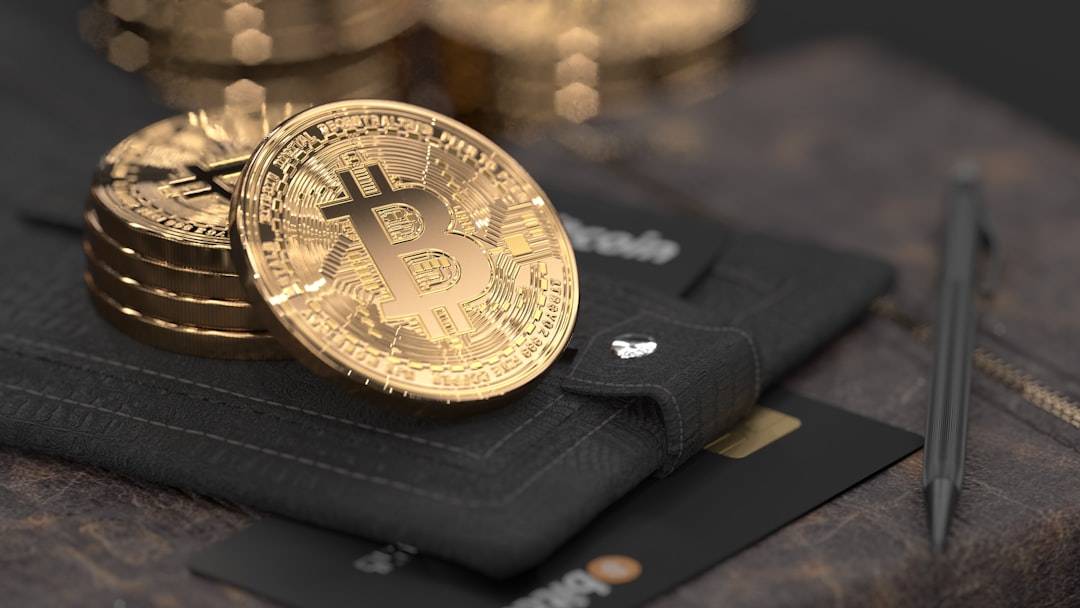
Best Crypto Wallets: Hot and Cold Storage Guide
Introduction
If you’re diving into cryptocurrency investing, understanding how to securely store your digital assets is crucial. Unlike traditional investments held in brokerage accounts, cryptocurrencies require you to take personal responsibility for safeguarding your funds. The stories of investors losing millions due to poor security practices aren’t just cautionary tales—they’re real reminders of why choosing the right crypto wallet matters.
Why This Topic Matters
When you buy cryptocurrency, you’re not just purchasing a digital coin. You’re acquiring a unique digital key that proves ownership of that asset on the blockchain. Without proper storage, you risk losing access to your investment permanently. There’s no customer service hotline to call if you lose your private keys, and no insurance company to reimburse your losses.
What You’ll Learn
In this comprehensive guide, you’ll discover the different types of crypto wallets available, understand the fundamental differences between hot and cold storage, and learn how to choose the best wallet for your specific needs. We’ll walk you through setting up your first wallet, avoiding common security pitfalls, and building a storage strategy that protects your investment while keeping it accessible when needed.
The Basics
Understanding Crypto Wallets
A cryptocurrency wallet doesn’t actually store your coins like a physical wallet holds cash. Instead, it stores two critical pieces of information: your public key (like your account number) and your private key (like your password and signature combined).
Think of it this way: your cryptocurrency exists on the blockchain, which is like a giant public ledger. Your wallet contains the mathematical proof that you own specific entries in that ledger. The private key is what allows you to transfer ownership of your cryptocurrency to someone else.
Key Terminology
Private Key: A secret code that proves you own your cryptocurrency. Whoever has this key controls the funds.
Public Key: Your wallet’s address that others can see and use to send you cryptocurrency.
Seed Phrase: A list of 12-24 words that can recreate your private key if your wallet is lost or damaged.
Hot Storage: Wallets connected to the internet, offering convenience but with increased security risks.
Cold Storage: Wallets kept offline, providing maximum security but less convenience for frequent transactions.
How Wallets Fit Into Crypto Investing
Your choice of wallet directly impacts your investment strategy. Day traders might prioritize quick access through hot wallets, while long-term investors typically prefer the security of cold storage. Many successful crypto investors use a combination of both, keeping small amounts in hot wallets for trading and the majority of their holdings in cold storage for security.
Step-by-Step Guide to Choosing and Setting Up Crypto Wallets
Step 1: Assess Your Needs (Time: 15 minutes)
Before selecting a wallet, determine your usage patterns:
- How often will you buy, sell, or trade cryptocurrency?
- How much cryptocurrency do you plan to store?
- Do you need access to multiple types of cryptocurrencies?
- How comfortable are you with technology?
Step 2: Choose Your Wallet Type (Time: 30 minutes)
For Beginners with Small Amounts:
Start with a reputable exchange wallet like Coinbase, Kraken, or Gemini. While not the most secure long-term solution, these are user-friendly and include customer support.
For Regular Investors:
Consider a software wallet like Exodus, Electrum, or Trust Wallet. These offer better security than exchange wallets while remaining relatively easy to use.
For Large Holdings or Maximum Security:
Invest in a hardware wallet such as Ledger Nano S Plus, Trezor Model T, or KeepKey. These physical devices store your keys offline.
Step 3: Research and Purchase (Time: 1-2 hours)
Tools and Resources Needed:
- Computer or smartphone
- Internet connection
- Valid email address
- For hardware wallets: $50-200 budget
- Secure location for storing backup information
Research Process:
1. Read reviews from multiple sources
2. Check the wallet’s supported cryptocurrencies
3. Verify the company’s reputation and track record
4. Compare fees for transactions
5. Ensure the wallet allows you to control your private keys
Step 4: Set Up Your Wallet (Time: 30-60 minutes)
For Software Wallets:
1. Download only from official sources
2. Create a strong, unique password
3. Write down your seed phrase on paper (never store digitally)
4. Verify your seed phrase by re-entering it
5. Enable two-factor authentication if available
For Hardware Wallets:
1. Order only from the manufacturer’s official website
2. Verify the device hasn’t been tampered with upon arrival
3. Follow the device’s setup instructions carefully
4. Generate and record your seed phrase
5. Test the recovery process with a small amount first
Step 5: Test Your Setup (Time: 30 minutes)
Before transferring significant amounts:
1. Send a small test transaction to your new wallet
2. Practice accessing your wallet
3. Test the backup and recovery process
4. Familiarize yourself with the interface
Common Questions Beginners Have
“Isn’t keeping crypto on an exchange easier?”
Yes, exchanges are more convenient, but they come with significant risks. When your cryptocurrency sits on an exchange, you don’t actually control it—the exchange does. If the exchange gets hacked, goes bankrupt, or freezes your account, you could lose everything. Think of exchanges like hotels: fine for short stays, but you wouldn’t store all your valuables there permanently.
“What happens if I lose my hardware wallet?”
This is why seed phrases exist. If you lose your hardware wallet but have your seed phrase safely stored, you can recover all your cryptocurrency using a new device or compatible software wallet. The seed phrase is your ultimate backup—protect it like you would important legal documents.
“How do I know if a wallet is legitimate?”
Stick to well-established wallets with strong reputations in the crypto community. Check for:
- Open-source code that experts can review
- Positive reviews from reputable crypto publications
- Active development and regular updates
- Clear communication about security practices
- Responsive customer support
“Can I use the same wallet for different cryptocurrencies?”
Many wallets support multiple cryptocurrencies, but not all. Bitcoin-specific wallets like Electrum only handle Bitcoin, while multi-currency wallets like Exodus support dozens of different cryptocurrencies. Check the supported currencies before choosing a wallet.
Mistakes to Avoid
Storing Seed Phrases Digitally
Never save your seed phrase in a text file, email, cloud storage, or photo. These digital formats can be hacked. Instead, write your seed phrase on paper or engrave it on metal plates designed for this purpose. Store multiple copies in secure, separate locations.
Using Public WiFi for Crypto Transactions
Public networks are hunting grounds for hackers. If you must access your crypto wallet while out, use your phone’s cellular data or a VPN. Better yet, avoid accessing hot wallets on public networks entirely.
Falling for Fake Wallet Apps
Scammers create fake versions of popular wallets to steal your information. Always download wallet software directly from the official website or verified app stores. Double-check URLs and developer names before downloading.
Not Testing Recovery Procedures
Many people set up wallets correctly but never test their backup systems. Before storing significant amounts, practice recovering your wallet using your seed phrase. This ensures your backup actually works and familiarizes you with the recovery process.
Sharing Too Much Information
Don’t post about your crypto holdings on social media or discuss specific amounts with others. This information can make you a target for hackers, scammers, or worse. Keep your crypto investments private.
Getting Started
First Steps to Take Today
Minimum Requirements:
- $10-50 to start with a small investment
- 2-3 hours for research and setup
- A secure location to store backup information
- Basic computer or smartphone skills
Recommended Starting Path:
1. Week 1: Start with a reputable exchange wallet like Coinbase or Kraken. Buy a small amount of Bitcoin or Ethereum to get familiar with the process.
2. Week 2-3: Research software wallets. Download and set up a wallet like Exodus or Trust Wallet. Transfer your small holding from the exchange to practice.
3. Month 2: If you’re planning larger investments, research hardware wallets. Order a Ledger or Trezor device and set it up before increasing your crypto holdings.
Essential Resources
- CoinMarketCap or CoinGecko: For tracking cryptocurrency prices and market information
- Official wallet websites: Always use official sources for downloads
- Reddit communities: r/Bitcoin, r/cryptocurrency for community insights
- YouTube channels: Coin Bureau, Andreas Antonopoulos for educational content
Next Steps
Advancing Your Knowledge
Once you’re comfortable with basic wallet security, explore these advanced topics:
Multi-Signature Wallets: Require multiple private keys to authorize transactions, adding extra security layers for large holdings.
Paper Wallets: Completely offline storage by printing your keys on paper. Useful for long-term storage but requires careful handling.
Wallet Integration: Learn how to connect your wallet to decentralized applications (DApps) for activities like decentralized finance (DeFi) or NFT trading.
Related Investment Topics
Understanding crypto wallets opens doors to exploring:
- Portfolio Diversification: How cryptocurrency fits into a broader investment strategy
- Dollar-Cost Averaging: Systematic investing approaches for crypto
- Tax Implications: Understanding crypto taxation in your jurisdiction
- Risk Management: Position sizing and risk assessment for crypto investments
Building Your Security Expertise
Consider learning about:
- Password managers for securing exchange accounts
- Two-factor authentication best practices
- Basic cybersecurity hygiene
- Estate planning for digital assets
FAQ
Q: What’s the difference between hot and cold wallets?
Hot wallets stay connected to the internet, making them convenient for frequent transactions but more vulnerable to hacking. Cold wallets store your keys offline, providing maximum security but requiring more steps to access your funds. Most investors use hot wallets for small amounts and cold wallets for long-term storage.
Q: How much should I spend on a crypto wallet?
Software wallets are typically free, while hardware wallets cost $50-200. A good rule of thumb: if you’re holding more than $1,000 in cryptocurrency, the security of a hardware wallet justifies the cost. For smaller amounts, a reputable software wallet provides adequate security.
Q: Can I recover my cryptocurrency if I lose both my wallet and seed phrase?
Unfortunately, no. This is why cryptocurrency is often called “being your own bank”—you’re responsible for security, but there’s no recovery option if you lose everything. Always store multiple copies of your seed phrase in secure, separate locations.
Q: Are mobile crypto wallets safe?
Mobile wallets can be safe if you choose reputable options and follow security best practices. Enable screen locks, keep your phone’s operating system updated, and avoid storing large amounts on mobile wallets. They’re convenient for small transactions but shouldn’t be your primary storage method for significant holdings.
Q: How often should I move my crypto between wallets?
Minimize unnecessary transfers to reduce transaction fees and potential security risks. A common strategy is to keep small amounts for daily use in a hot wallet and move larger holdings to cold storage for long-term keeping. Only transfer when necessary or when rebalancing your security setup.
Q: What happens to my cryptocurrency if the wallet company goes out of business?
If you control your private keys (through seed phrases or direct key storage), your cryptocurrency remains safe even if the wallet company disappears. You can recover your funds using the seed phrase with any compatible wallet software. This is why controlling your own keys is crucial—it makes you independent of any specific company.
Conclusion
Selecting and properly securing a crypto wallet is one of the most important decisions you’ll make as a cryptocurrency investor. While the responsibility might seem daunting at first, taking control of your digital assets provides both security and peace of mind that no traditional investment vehicle can match.
Remember that wallet security exists on a spectrum. You don’t need to achieve perfect security immediately—you can start with simpler solutions and gradually improve your setup as your knowledge and holdings grow. The key is to begin with a reputable wallet, always control your private keys, and continuously educate yourself about security best practices.
Your crypto wallet choice will evolve with your investment journey. Start conservatively, learn from experience, and don’t hesitate to upgrade your security measures as your portfolio grows. The time and effort you invest in properly securing your cryptocurrency today will pay dividends in protecting your financial future.
Ready to stay ahead of the crypto market? Subscribe to our free newsletter for weekly market analysis, security updates, and investment insights delivered straight to your inbox. Join thousands of investors who trust StrategicInvestor.com for clear, actionable crypto guidance.
—
Disclaimer: This article is for educational purposes only and does not constitute financial advice. Always do your own research and consider consulting a licensed financial advisor before making investment decisions.