
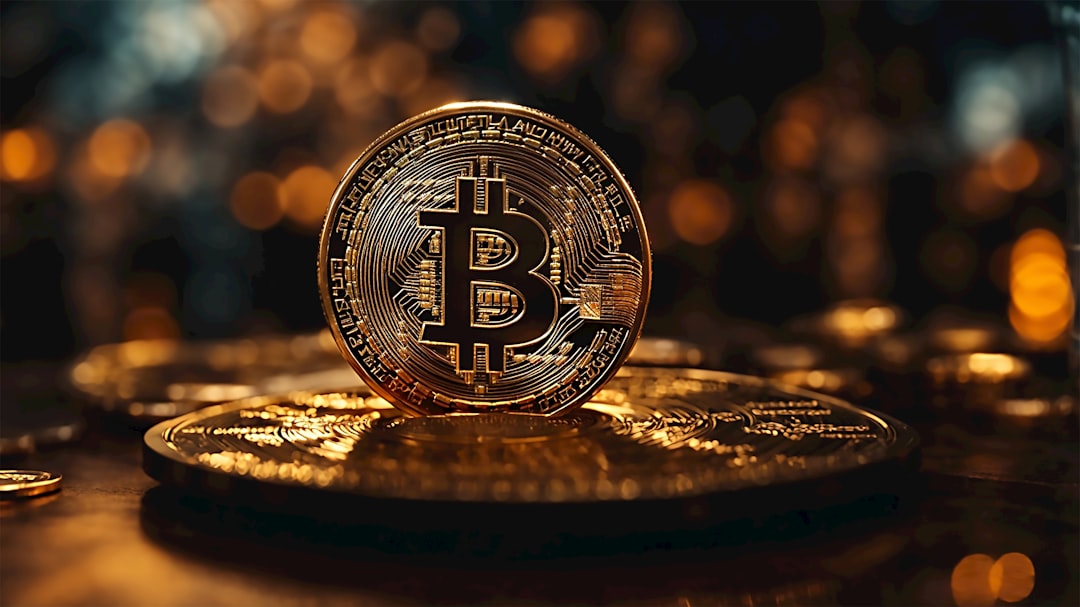
How to Buy Bitcoin: Cryptocurrency Purchase Guide
Introduction
The world of cryptocurrency can seem overwhelming at first glance, but learning how to buy Bitcoin doesn’t have to be complicated. Whether you’ve heard friends talking about their crypto investments, seen headlines about Bitcoin’s price movements, or simply want to diversify your investment portfolio, understanding how to purchase Bitcoin is an essential skill in today’s digital economy.
Bitcoin, the world’s first and most well-known cryptocurrency, has evolved from an experimental digital currency to a legitimate asset class that major institutions and individual investors alike are adding to their portfolios. While the technology behind Bitcoin may seem complex, actually buying it has become surprisingly straightforward.
In this comprehensive guide, you’ll learn everything you need to know about purchasing Bitcoin safely and securely. We’ll walk through the basics of what Bitcoin is, explore the different ways to buy it, provide a step-by-step purchasing guide, and help you avoid common mistakes that new investors often make. By the end of this article, you’ll have the knowledge and confidence to make your first Bitcoin purchase if you choose to do so.
The Basics
What is Bitcoin?
Bitcoin is a digital currency that exists entirely online. Unlike traditional currencies issued by governments, Bitcoin operates on a decentralized network of computers around the world. Think of it as digital gold – it’s scarce (only 21 million Bitcoin will ever exist), divisible (you can buy fractions of a Bitcoin), and stores value over time.
Key Terminology You Need to Know
Cryptocurrency Exchange: Online platforms where you can buy, sell, and trade Bitcoin and other cryptocurrencies. Examples include Coinbase, Binance, and Kraken.
Digital Wallet: A secure digital storage space for your Bitcoin. Think of it like a bank account specifically for cryptocurrency.
Private Keys: Secret codes that prove you own your Bitcoin. These are like the password to your crypto wallet – never share them with anyone.
Bitcoin Address: A unique identifier that allows others to send Bitcoin to your wallet. It’s similar to an email address or bank account number.
Satoshis: The smallest unit of Bitcoin. One Bitcoin equals 100 million satoshis, making it possible to buy very small amounts.
Fiat Currency: Traditional government-issued money like US dollars, euros, or British pounds.
How Bitcoin Fits Into Investing
Many financial experts now view Bitcoin as a legitimate asset class alongside stocks, bonds, and real estate. Some investors treat it as “digital gold” – a potential hedge against inflation and currency devaluation. Others see it as a growth investment with significant upside potential.
It’s important to understand that Bitcoin is considered a high-risk, high-reward investment. Its price can be extremely volatile, sometimes gaining or losing 10-20% of its value in a single day. Most financial advisors recommend only investing what you can afford to lose and keeping Bitcoin as a small percentage of your overall investment portfolio (typically 1-5%).
Step-by-Step Guide to Buying Bitcoin
Step 1: Decide How Much to Invest (Time: 15 minutes)
Before buying Bitcoin, determine how much money you’re comfortable investing. Remember the golden rule: never invest more than you can afford to lose completely. For beginners, starting with a small amount (like $50-$100) is often wise while you learn the ropes.
Step 2: Choose Your Purchase Method (Time: 30 minutes)
You have several options for buying Bitcoin:
Cryptocurrency Exchanges: These are the most popular and typically cheapest option. Major exchanges like Coinbase, Kraken, and Gemini are regulated and user-friendly for beginners.
Brokerage Apps: Many traditional investment apps like Robinhood and PayPal now offer Bitcoin purchases alongside stocks and ETFs.
Bitcoin ATMs: Physical machines where you can buy Bitcoin with cash, though fees are typically higher.
Peer-to-Peer Platforms: Services that connect buyers and sellers directly, though these require more caution.
For beginners, we recommend starting with a well-established cryptocurrency exchange.
Step 3: Choose and Set Up Your Exchange Account (Time: 20-45 minutes)
Popular beginner-friendly exchanges include:
- Coinbase: Known for its simple interface and strong security
- Kraken: Offers competitive fees and excellent customer service
- Gemini: Founded by the Winklevoss twins, known for regulatory compliance
To set up your account:
1. Visit the exchange’s website or download their mobile app
2. Click “Sign Up” or “Create Account”
3. Provide your email address and create a strong password
4. Verify your email address through the confirmation link
Step 4: Complete Identity Verification (Time: 10-60 minutes)
Due to financial regulations, exchanges must verify your identity. You’ll need:
- A government-issued photo ID (driver’s license or passport)
- Proof of address (utility bill or bank statement)
- Your Social Security number (in the US)
Some exchanges offer instant verification, while others may take 1-3 business days.
Step 5: Add a Payment Method (Time: 5-15 minutes)
Most exchanges accept:
- Bank transfers: Usually the cheapest option but may take 3-5 business days
- Debit cards: Instant purchases but higher fees (typically 2-4%)
- Credit cards: Often not recommended due to high fees and potential cash advance charges
Link your preferred payment method by following the exchange’s instructions.
Step 6: Make Your First Bitcoin Purchase (Time: 5 minutes)
Once your account is set up and payment method added:
1. Navigate to the “Buy” or “Trade” section
2. Select Bitcoin (BTC)
3. Enter the amount you want to spend (in dollars) or the amount of Bitcoin you want to buy
4. Review the transaction details, including fees
5. Confirm your purchase
Congratulations! You now own Bitcoin.
Step 7: Secure Your Bitcoin (Time: 15-30 minutes)
For small amounts, keeping your Bitcoin on the exchange is generally fine. However, for larger investments, consider transferring your Bitcoin to a personal wallet for added security. Popular wallet options include:
- Hardware wallets: Physical devices like Ledger or Trezor (most secure)
- Mobile wallets: Apps like Trust Wallet or Exodus
- Desktop wallets: Software like Electrum
Common Questions Beginners Have
“Do I Need to Buy a Whole Bitcoin?”
Absolutely not! Bitcoin is divisible down to eight decimal places. You can buy $10 worth of Bitcoin or any amount you’re comfortable with. Most people own fractions of a Bitcoin, not whole coins.
“Is Bitcoin Safe to Buy?”
While Bitcoin itself has never been hacked, exchanges and individual wallets can be vulnerable. Buying from reputable, regulated exchanges significantly reduces risk. Major exchanges use bank-level security and are insured against theft.
“When is the Best Time to Buy Bitcoin?”
Nobody can predict Bitcoin’s price movements with certainty. Many successful investors use “dollar-cost averaging” – buying a small, fixed amount regularly (like $25 per week) regardless of price. This strategy reduces the impact of volatility over time.
“What Happens If the Exchange Goes Out of Business?”
Reputable exchanges segregate customer funds and carry insurance. However, this is another reason why some investors transfer their Bitcoin to personal wallets for long-term storage.
“How Do I Track My Bitcoin Investment?”
Most exchanges provide portfolio tracking tools. You can also use apps like CoinTracker or Blockfolio to monitor your investment’s performance and track gains/losses for tax purposes.
Mistakes to Avoid
Falling for Scams
Never send Bitcoin to someone promising to double your money or guarantee returns. Legitimate investments don’t work this way. Always verify you’re using the official exchange website – scammers create fake versions to steal login credentials.
Buying More Than You Can Afford
Bitcoin’s price volatility can be emotionally challenging. Only invest money you won’t need for daily expenses, and avoid borrowing money to buy cryptocurrency.
Ignoring Security
Use strong, unique passwords and enable two-factor authentication on all accounts. Never share your private keys or passwords with anyone. Be wary of public Wi-Fi when accessing your crypto accounts.
Panic Buying or Selling
Bitcoin’s price can swing dramatically in short periods. Making emotional decisions based on daily price movements often leads to buying high and selling low – the opposite of successful investing.
Not Understanding Taxes
In most countries, Bitcoin sales are taxable events. Keep detailed records of your purchases, sales, and any transfers. Consider using cryptocurrency tax software to help with reporting.
Forgetting About Fees
Different exchanges charge different fees for buying, selling, and transferring Bitcoin. These can range from 0.1% to 4% per transaction. Always factor fees into your investment calculations.
Getting Started
Minimum Requirements to Begin
To buy Bitcoin, you need:
- A bank account or debit card
- A smartphone or computer with internet access
- A government-issued photo ID
- At least $1-$10 to invest (most exchanges have very low minimums)
Your First Steps Today
1. Research exchanges: Spend 30 minutes comparing fees and features of major exchanges
2. Start small: Plan to invest only a small amount for your first purchase
3. Set up an account: Choose one exchange and begin the registration process
4. Enable security features: Set up two-factor authentication immediately
Recommended Resources for Learning
- Beginner Books: “The Bitcoin Standard” by Saifedean Ammous
- Podcasts: “What Bitcoin Did” and “The Pomp Podcast”
- Websites: Bitcoin.org for technical information, CoinDesk for news
- YouTube Channels: Coin Bureau and Andreas Antonopoulos for educational content
Next Steps
Advancing Your Knowledge
Once you’ve made your first Bitcoin purchase and feel comfortable with the process, consider:
- Learning about other cryptocurrencies (Ethereum, Litecoin, etc.)
- Understanding blockchain technology and how it works
- Exploring different investment strategies like dollar-cost averaging
- Researching Bitcoin’s potential role in your overall investment portfolio
Related Topics to Explore
Cryptocurrency Tax Implications: Understanding how crypto gains and losses affect your tax situation.
Portfolio Diversification: Learning how Bitcoin fits alongside traditional investments like stocks and bonds.
Blockchain Technology: Exploring the underlying technology that makes Bitcoin possible.
DeFi (Decentralized Finance): Understanding how cryptocurrency is creating new financial services and opportunities.
Security Best Practices: Developing advanced strategies for protecting your cryptocurrency investments.
FAQ
How much money do I need to start buying Bitcoin?
Most exchanges allow you to buy Bitcoin with as little as $1-$10. There’s no minimum investment requirement, making it accessible for beginners who want to start small and learn gradually.
How long does it take to buy Bitcoin?
Once your exchange account is set up and verified, buying Bitcoin takes just a few minutes. However, initial account setup and verification can take anywhere from 20 minutes to several days, depending on the exchange and verification method.
Are Bitcoin purchases taxable?
In most countries, including the United States, buying Bitcoin itself isn’t a taxable event. However, selling Bitcoin, trading it for other cryptocurrencies, or using it to purchase goods and services typically creates taxable events that must be reported to tax authorities.
Can I lose more money than I invest in Bitcoin?
No, when buying Bitcoin directly, you can only lose the amount you initially invested. Unlike some complex financial instruments, you cannot lose more than 100% of your investment. However, Bitcoin’s value can and has dropped significantly during market downturns.
Is it better to buy Bitcoin all at once or gradually?
Most financial experts recommend dollar-cost averaging – investing a fixed amount regularly over time rather than making one large purchase. This strategy helps reduce the impact of Bitcoin’s price volatility and can lead to better average purchase prices.
What’s the difference between buying Bitcoin on an exchange versus through a traditional broker?
Cryptocurrency exchanges typically offer more features, better prices, and the ability to transfer your Bitcoin to personal wallets. Traditional brokers may be more familiar but often charge higher fees and don’t allow you to transfer your Bitcoin off their platform. For serious cryptocurrency investing, dedicated exchanges are usually preferable.
Conclusion
Learning how to buy Bitcoin is an important skill in today’s evolving financial landscape. While the process may seem daunting at first, it’s actually quite straightforward once you understand the basics. Remember to start small, prioritize security, and never invest more than you can afford to lose.
The cryptocurrency space moves quickly, and staying informed about market developments, regulatory changes, and new investment opportunities is crucial for success. Whether you view Bitcoin as a small speculative addition to your portfolio or a significant long-term investment, the key is to approach it with knowledge, caution, and a clear understanding of your financial goals.
Take your time, do your research, and remember that every expert was once a beginner. With the foundation provided in this guide, you’re well-equipped to take your first steps into the world of Bitcoin investing.
—
Stay informed with our expert insights! Subscribe to our free newsletter and receive weekly market analysis, investment strategies, and cryptocurrency updates delivered directly to your inbox. Join thousands of investors who trust StrategicInvestor.com for clear, actionable financial guidance. [Subscribe now](mailto:newsletter@strategicinvestor.com) and never miss important market developments that could impact your investment decisions.
—
This article is for educational purposes only and does not constitute financial advice. Always do your own research and consider consulting a licensed financial advisor before making investment decisions.